A newborn photography prep guide provides studio photographers and expectant parents with clear preparation checklists, studio temperature protocols, feeding timelines, and safe infant posing practices. Successfully executing a peaceful newborn photoshoot requires careful environmental control, patient timing, and an uncompromising commitment to newborn physiological safety.
Welcoming a new infant into a photography studio involves unique responsibilities that surpass standard portraiture. Newborns possess fragile circadian rhythms, sensitive skin, and immature body temperature regulation mechanisms. When parents arrive at the studio without clear guidance on feeding schedules, wardrobe selections, or soothing techniques, sessions can become stressful ordeals marked by overtired, fussy babies and anxious parents.
Providing parents with a detailed preparation roadmap transforms the photoshoot into a relaxed, memorable experience that yields timeless heirloom portraits. Consulting our foundational photography pricing guide ensures your studio rates adequately reflect the extended shooting times and specialized safety certifications required for newborn portraiture.
Studio Environment and Newborn Temperature Control Protocols
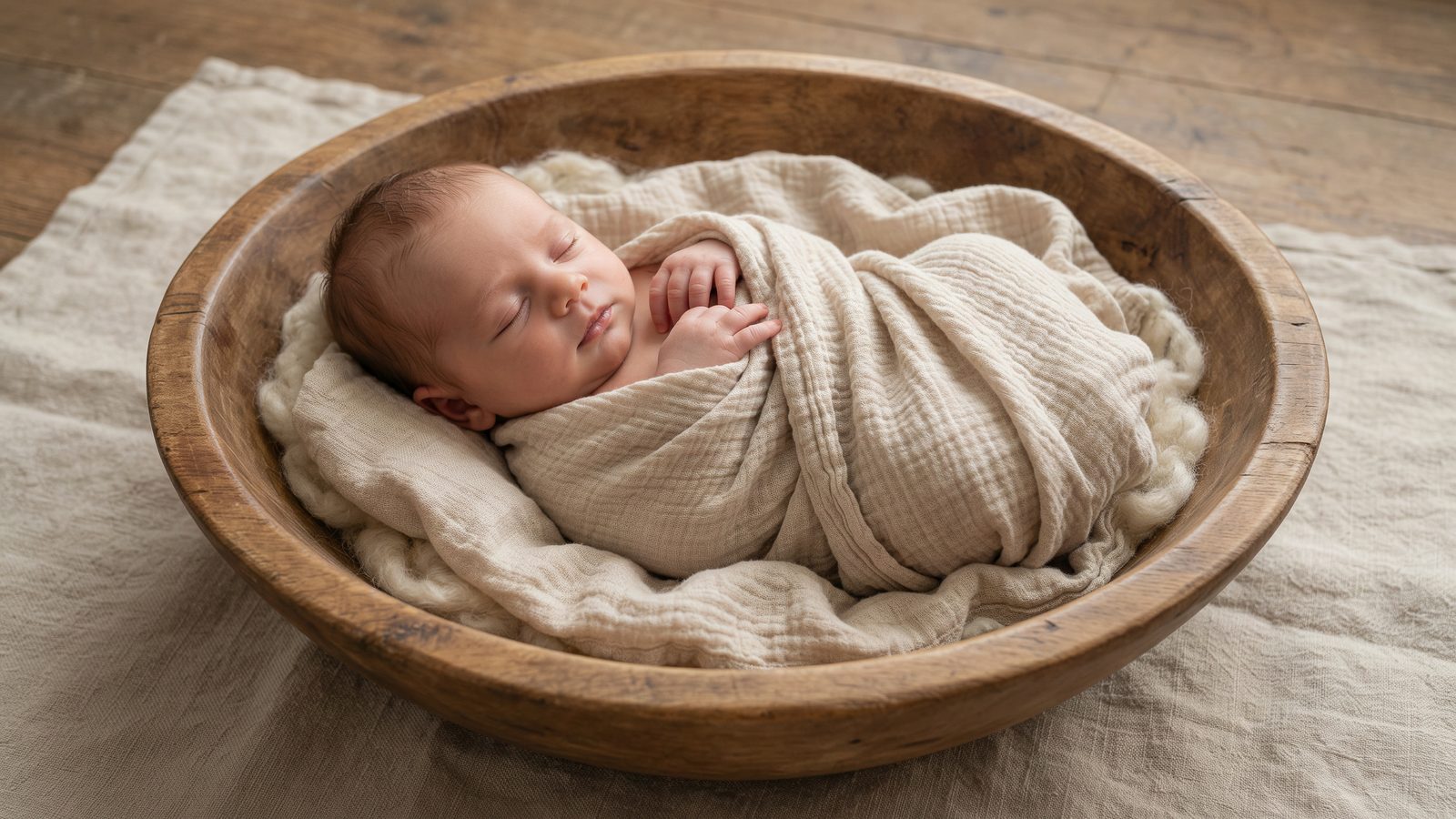
Maintaining proper studio temperature represents the single most crucial physical factor in newborn photography. Because infants cannot shiver effectively to generate heat and lack substantial insulating body fat, naked and swaddled newborn poses require an ambient room temperature between seventy-five and eighty degrees Fahrenheit. Utilize a quiet space heater placed safely out of reach of props, monitoring room warmth with a digital thermometer.
Air circulation and hygiene protocols must adhere to strict cleanliness standards. Sanitize all studio surfaces, posers, and backdrops before every session. Wash all fabric wraps, blankets, and prop inserts in hypoallergenic, fragrance-free baby detergent after each use. Photographers must wash hands thoroughly and ensure current vaccinations to protect fragile infant immune systems.
Adhering to evidence-based infant safety aligns with the safe sleep environment recommendations published by the American Academy of Pediatrics infant safe sleep guidelines on HealthyChildren. Maintaining flat, firm posing surfaces and avoiding airway obstruction must govern every posing setup.
Investing in specialized studio heating, commercial laundry facilities, and safety equipment represents a core overhead expenditure. Reviewing the Small Business Administration business financial management guide assists newborn photographers in tracking these critical health and safety investments as recurring operational costs.
Feeding Soothing and Sleep Prep for Young Infants
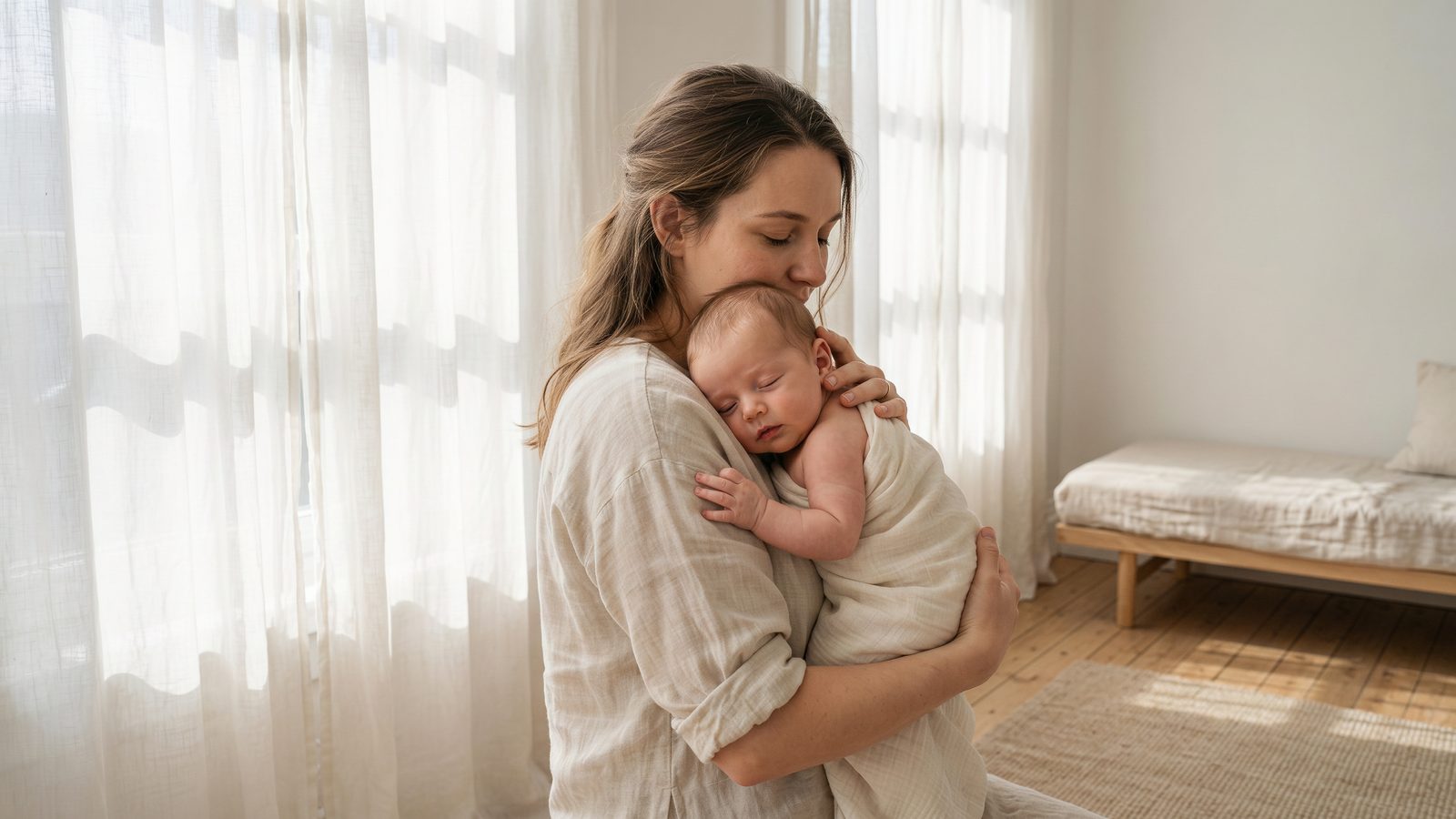
A full, content baby is essential for achieving deep, natural sleep during a newborn portrait session. Instruct parents to give their baby a full feeding immediately before departing home or upon arrival at your studio. Allow ample time in your session schedule for unhurried nursing or bottle feedings, burping, and diaper changes whenever the baby exhibits hunger cues.
Continuous soothing sounds mimic the familiar auditory environment of the womb. Running a commercial white noise machine or a dedicated baby shusher app positioned near the posing beanbag masks studio shutter clicks and ambient street noise. Rhythmic shushing, gentle patting, and pacifiers also provide effective comfort during pose transitions.
Timing Tips for Newborn Photography Prep on Session Day
Advise parents to keep baby awake for forty-five to sixty minutes prior to their session departure through gentle interaction, a warm sponge bath, or tummy time. Dressing baby in a loose-fitting, front-zipping sleeper avoids tight elastic marks on tender skin and eliminates the need to pull tight clothing over the baby’s head upon arrival at the studio. Reviewing our comprehensive guide to newborn photography tips offers additional strategies for gentle infant posing and studio lighting.
Creating a Client Newborn Session Prep Guide Template
Distribute a beautifully designed digital preparation brochure to parents two weeks before their estimated due date. Outline exactly what parents should bring in their diaper bag, including extra formula or pumped milk, spare diapers, wipes, burp cloths, pacifiers, and a change of clothes for parents in case of unexpected diaper leaks. Providing clear intake questionnaires via our photography client questionnaire blueprint helps capture infant medical notes and parental preferences in advance.
Essential Studio Gear and Newborn Photography Checklist Items
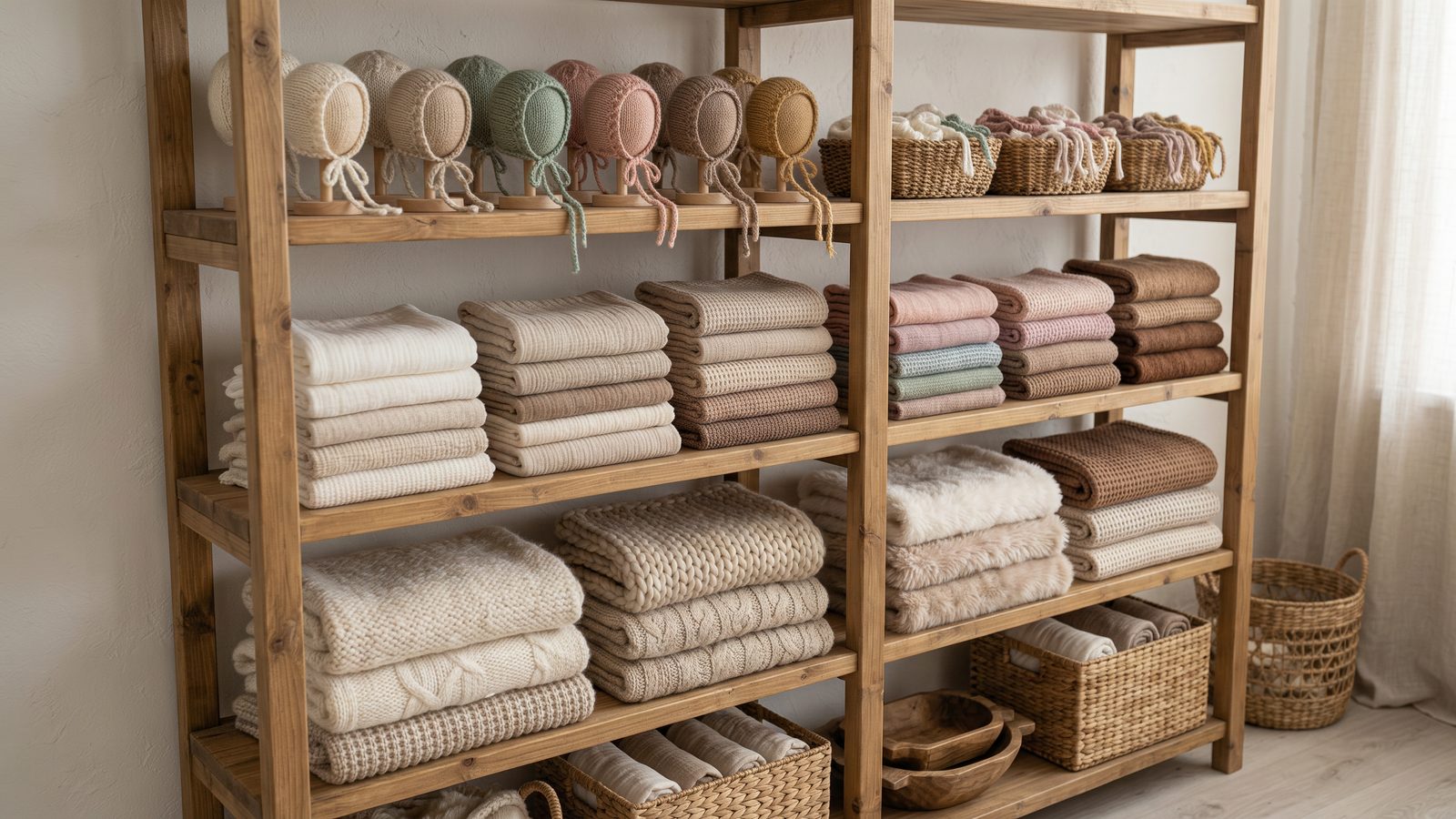
Having an organized studio workspace enables photographers to move smoothly between posing setups without disruptive delays. Position your heavy beanbag poser adjacent to soft, diffused natural window light or a large studio octabox with double diffusion baffles. Harsh directional flash must be avoided, as delicate infant eyes require gentle, feathered illumination.
Ensure that all prop bowls, wooden crates, and baskets have sturdy, wide bases that cannot tip over. Always weigh down the bottom of hollow props with interior cast-iron counterweights before placing an infant inside, and line rough wooden surfaces with thick layers of protective foam padding.
Assembling a Comprehensive Newborn Photography Checklist
Before welcoming clients into the studio, run through this comprehensive operational checklist:
- Space heater active and room stabilized at 75 to 80 degrees Fahrenheit.
- White noise machine powered on and set to a soothing ocean or womb setting.
- All blankets, wraps, and headband fabrics freshly washed in hypoallergenic detergent.
- Studio posing beanbag thoroughly sanitized and covered with a waterproof liner.
- Counterweights positioned inside all bucket and basket prop setups.
- Digital thermometer checked to verify safe, consistent ambient temperature.
Gentle Posing Restraints and Spotter Placement Rules
Newborn safety supersedes any artistic concept or portfolio goal. An adult spotter—either an assistant or a parent positioned within arm’s reach—must maintain physical contact or hover hands inches above the infant whenever the baby is placed in an elevated prop or delicate bucket setup.
Complex postures, such as the classic froggy pose or hanging sling setups, must never be executed as single unsupported in-camera shots. These advanced positions must always be photographed as multi-image digital composites, where an assistant securely supports the infant’s wrists and head in separate frames that are later merged seamlessly in editing software. Never force an infant into an unnatural posture; if a baby resists a pose, pivot immediately to a relaxed, natural swaddled setup.
Parent Wardrobe Coordination and Studio Session Guide
Because the studio will be kept at eighty degrees, instruct parents and siblings to dress in comfortable, lightweight clothing with layers they can shed easily. For parent-and-baby portraits, recommend neutral, solid tones such as cream, oatmeal, heather gray, or soft pastels that keep visual emphasis focused on intimate family connection.
Establish a flexible rescheduling policy that accommodates unexpected delivery complications, birth recovery delays, or infant jaundice. The ideal window for capturing sleepy curled poses is between seven and fourteen days after birth, when babies still retain womb flexibility and sleep deeply. However, reassure anxious parents that beautiful portraits can still be created with older infants through relaxed lifestyle and swaddled setups.
Implementing the steps in this newborn photography prep guide enables portrait studios to deliver tranquil client experiences, protect infant safety, and create cherished family memories.
Frequently Asked Questions
What is the ideal age range to schedule a newborn photography session?
The ideal window for newborn photography is between 7 and 14 days after birth. During this initial two-week period, infants sleep deeply for extended periods and naturally retain flexible, curled postures reminiscent of the womb.
How warm should the photography studio be kept during newborn sessions?
The studio should be maintained between 75 and 80 degrees Fahrenheit (24 to 27 degrees Celsius). Because newborns lose body heat quickly when undressed, elevated ambient warmth ensures they remain comfortable and sleep soundly throughout the session.
How should parents prepare infant feedings on the day of the photoshoot?
Parents should plan to give their baby a full feeding right before leaving home or directly upon arriving at the studio. Having extra pumped milk or formula ready allows for top-off feedings that keep the baby content between pose transitions.
Why are spotters and composite photography techniques essential for baby safety?
Spotters keep hands inches away from the infant to prevent accidental slips or prop tipping. Composite photography merges multiple images where an adult securely holds the baby’s head and wrists, creating advanced poses without ever leaving the infant unsupported.