Learning how to price destination wedding photography requires wedding photographers, studio owners, and traveling creatives to establish comprehensive travel fee structures, multi-day coverage tiers, equipment transit protection, and clear client expense reimbursement models. Determining sustainable travel rates requires balancing dedicated transit days, airline baggage surcharges, international lodging, foreign tax liabilities, and round-the-clock weekend availability.
Destination weddings represent dream assignments for many wedding photographers. Documenting a couple’s marriage against breathtaking mountain vistas, historic European villas, or tropical coastal shorelines yields spectacular portfolio imagery and unforgettable creative experiences. However, traveling for weddings introduces operational complexities, physical fatigue, and financial liabilities that local weddings never present.
Underestimating travel overhead is the most common pitfall for aspiring destination photographers. Quoting standard domestic wedding rates while paying out-of-pocket for flights, rental cars, and lodging can quickly turn an exciting travel wedding into a net financial loss. Aligning your destination packages with our foundational photography pricing guide ensures your traveling studio protects its profit margins while delivering world-class client service.
Dedicated Travel Days and Multi-Day Weekend Coverage Demands
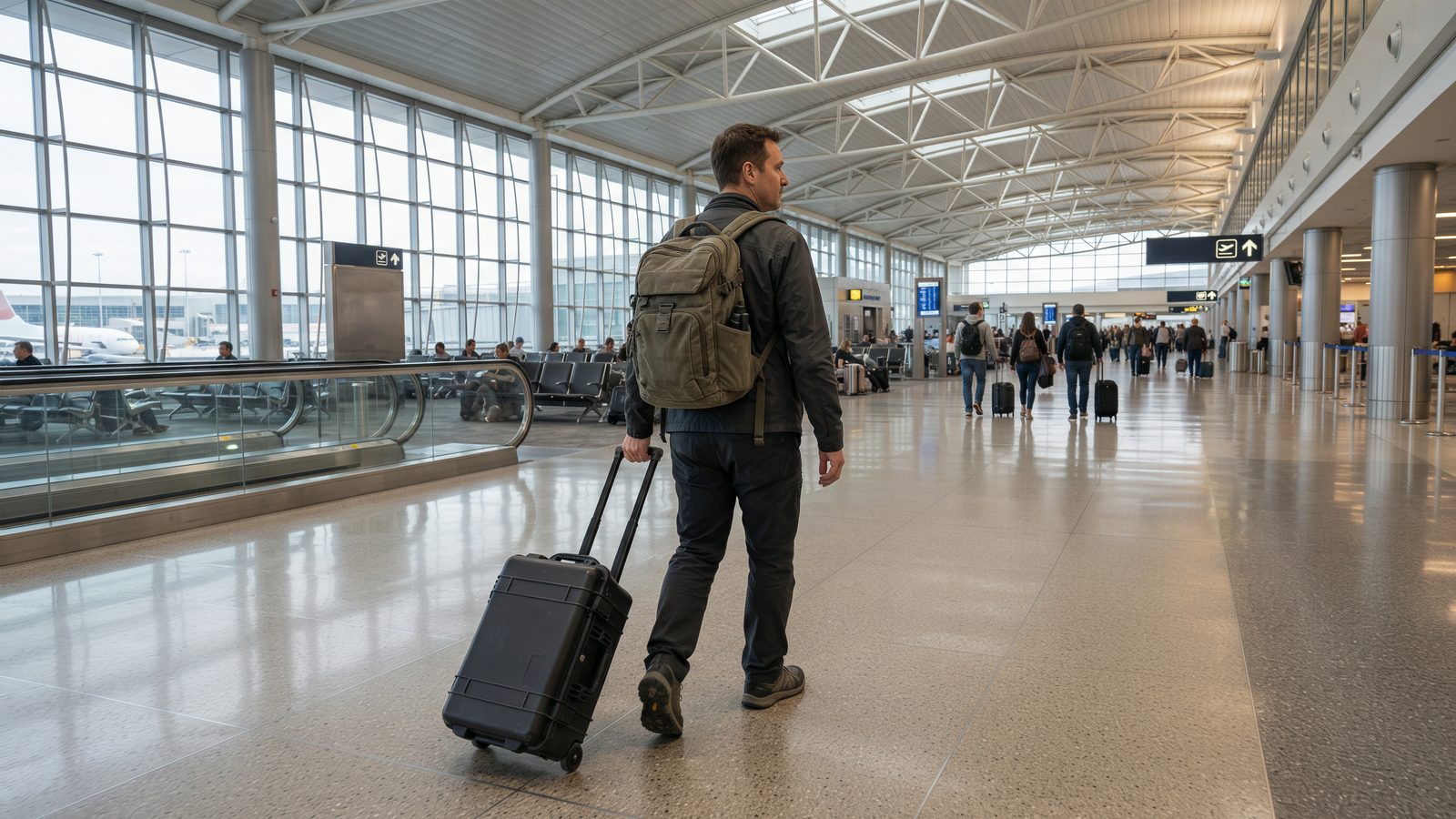
The primary factor distinguishing destination weddings from hometown celebrations is the substantial commitment of unbillable calendar time. A local wedding requires eight to ten hours of on-site presence on a single Saturday. Conversely, a destination wedding demands at least three full calendar days: one day for travel and venue scouting, one day for wedding coverage, and one day for return travel.
For cross-country or international destinations, transit time often expands to four or five days when factoring in flight connections, customs clearances, and time zone acclimatization. During these transit days, the photographer cannot accept other local portrait sessions or commercial assignments. Your destination pricing must compensate for this lost studio availability rather than billing solely for wedding day shooting hours.
Furthermore, destination weddings frequently involve multi-day festivities. Couples host welcome cocktail receptions, rehearsal dinners, beach barbecues, and post-wedding farewell brunches. Packaging these ancillary gatherings alongside primary wedding day coverage creates high-value weekend collections that justify comprehensive destination fees.
Managing extensive business travel cash flow requires rigorous accounting practices. Reviewing the Small Business Administration business financial management resources helps photographers maintain sufficient working capital for upfront airline ticket purchases and international lodging reservations.
Photographers must also separate deductible business travel expenses from personal leisure costs. Adhering to the Internal Revenue Service rules for deducting business travel expenses ensures that airfare, baggage fees, lodging, and standard per diem meals are properly categorized for annual tax filings.
Destination Pricing Frameworks: Flat-Rate Versus Itemized Expenses
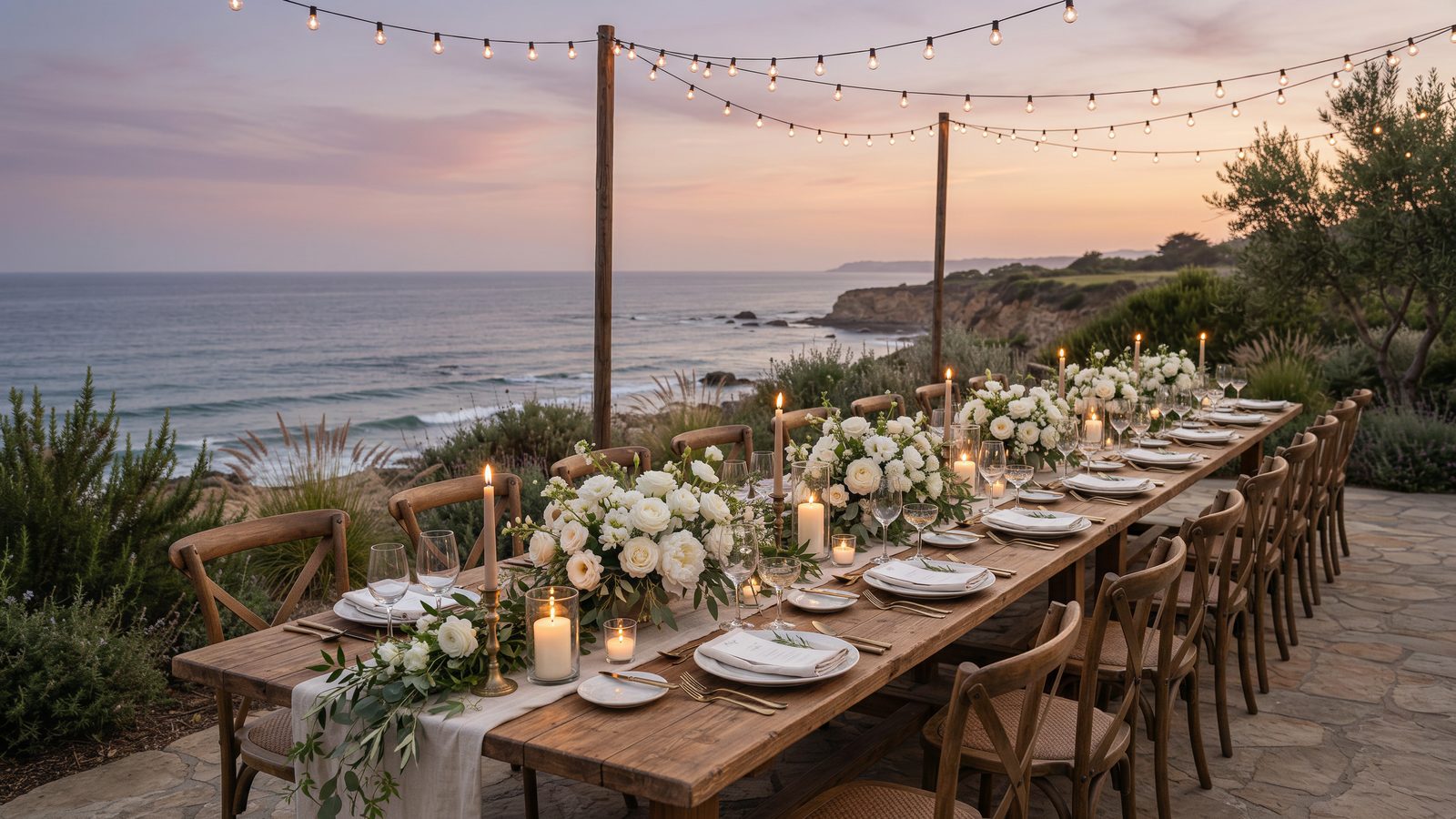
When structuring client proposals for travel weddings, photographers generally choose between two primary billing methodologies: all-inclusive flat rates, or base creative fees plus itemized travel expense reimbursements. Each framework offers distinct advantages depending on client demographics and destination geography.
The all-inclusive flat-rate model bundles the complete creative fee, airfare, lodging stipend, rental car, and baggage allowances into a single comprehensive package price. Couples appreciate this model because it guarantees predictable budget totals with zero surprise invoices after the wedding. To safeguard your margin under a flat-rate model, build a conservative financial buffer to absorb seasonal flight price fluctuations.
| Destination Wedding Collection | Coverage Scope | Travel and Logistics Inclusions | Typical Pricing Range |
|---|---|---|---|
| Continental Domestic Destination | 8 Hours Wedding Day + Scouting | Domestic Flights, 2 Nights Hotel, Car | $4,500 to $7,200 |
| International Resort Celebration | Full Wedding Day + Welcome Party | International Airfare, 3 Nights Hotel | $6,800 to $11,500 |
| Multi-Day Luxury European Weekend | 3 Days (Welcome, Wedding & Brunch) | Flights, 4 Nights Hotel, Second Shooter | $10,500 to $18,000+ |
| Intimate Adventure Elopement | Up to 6 Hours Coverage (1 Day) | Flights, 2 Nights Lodging, Hiking Guide | $3,800 to $5,800 |
Evaluating How to Charge for Destination Wedding Photography Logistics
When evaluating how to charge for destination wedding photography logistics, consider the itemized reimbursement approach for unpredictable international itineraries. Under this structure, the couple pays your standard creative collection fee upfront, while agreeing to reimburse actual travel expenditures based on receipts submitted thirty days prior to departure. Reviewing our foundational wedding photography pricing guide helps establish solid base creative rates before layering on specialized travel riders.
Booking Airfare and Lodging Contract Specifications
Never allow clients to book your flights directly. Photographers must retain full control over airline selection, departure schedules, seat assignments, and baggage allowances. Mandate in your contract that the studio books all transportation directly, requiring the client to remit the travel stipend upon contract execution. Require that lodging be located within reasonable proximity to the wedding venue to prevent logistical delays.
International Gear Transit and Equipment Insurance Riders
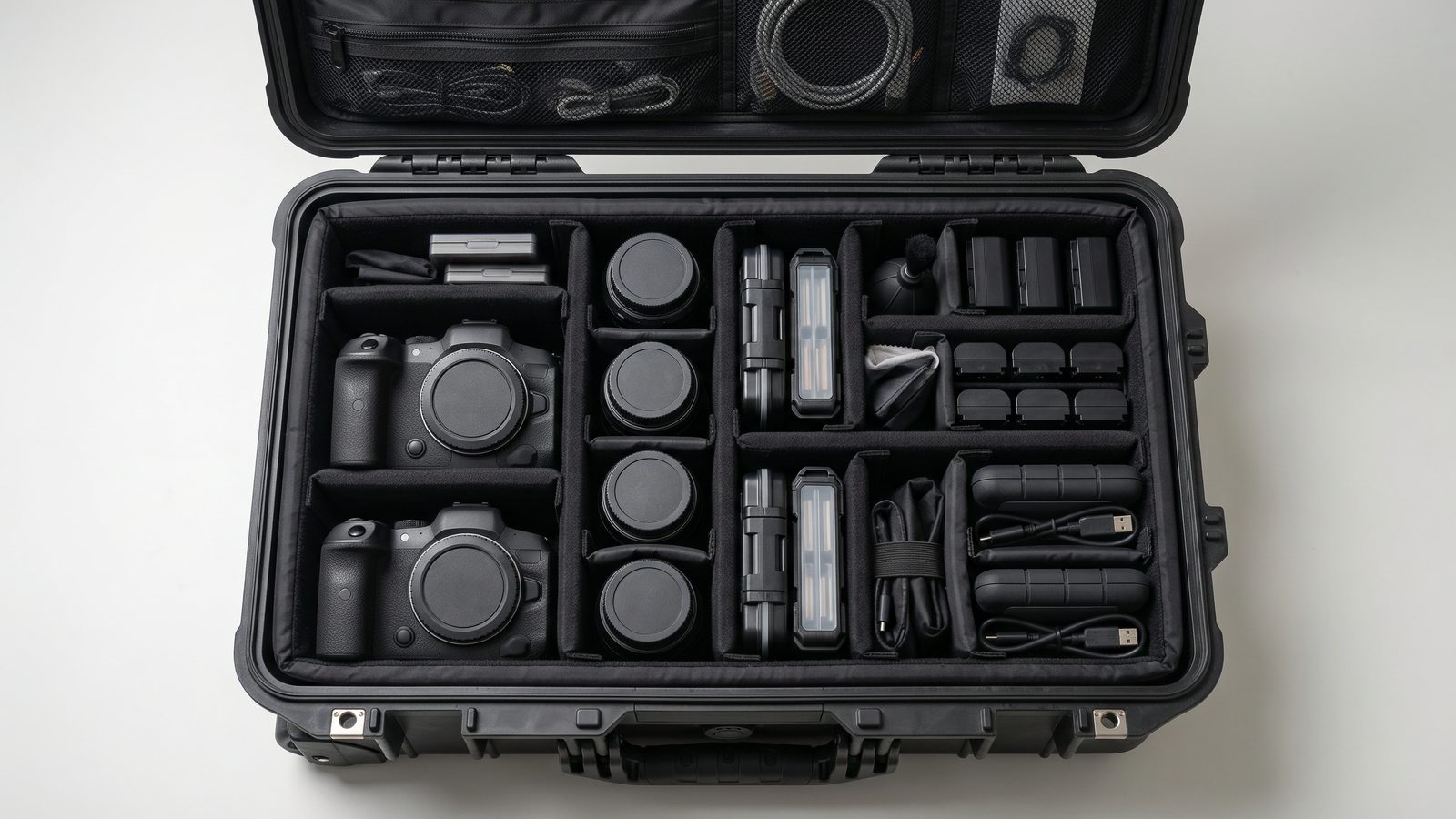
Traveling with professional camera gear introduces substantial equipment vulnerability. Airline baggage handlers frequently misplace or damage checked luggage. Professional destination photographers maintain a strict rule: all primary camera bodies, essential prime lenses, memory cards, and laptop backup drives travel exclusively in carry-on roller bags that fit into aircraft overhead bins.
Secondary support gear—such as light stands, tripods, softboxes, and battery chargers—can be packed into durable hard-sided flight cases for checked transit. Ensure that your commercial inland marine equipment insurance policy includes worldwide coverage riders that protect gear against theft, damage, or loss in transit across international borders.
Navigating International Customs and Foreign Work Visas
Operating commercially in foreign countries requires careful legal navigation. Many international jurisdictions enforce strict labor laws regarding foreign contractors working on tourist visas. Entering a country with bulky commercial Pelican cases labeled as commercial photography gear can trigger customs scrutiny, equipment impoundment, or denial of entry.
Photographers should research bilateral visa treaties or obtain appropriate temporary work authorizations where mandated. Alternatively, partnering with local fixers or contracting through the couple’s host wedding planner can streamline customs declarations and guarantee legal compliance.
Arrival Timelines and Pre-Wedding Venue Scouting Protocols
Flight delays, mechanical cancellations, and severe weather can disrupt travel itineraries without warning. Never schedule flights that arrive on the eve of the wedding. Destination wedding contracts should mandate that the photography team arrive at the destination at least forty-eight hours prior to the first scheduled shooting event.
Arriving two days early provides vital insurance against airline cancellations while allowing the photographer to overcome jet lag, acclimatize to local humidity or high altitude, and conduct thorough physical venue scouting during the exact hours the wedding ceremonies will take place. Sharing these rigorous logistical safeguards in your marketing elevates client trust and reinforces your premium pricing authority. Examining our guide to event photography pricing offers additional insights into managing multi-hour coverage timelines.
Client Contracts, Travel Retainers, and Cancellation Clauses
Destination wedding agreements require robust legal protections addressing travel disruptions, natural disasters, and unforeseen venue cancellations. Require a non-refundable initial retainer of thirty to fifty percent upon booking, along with one hundred percent of the estimated travel stipend.
Incorporate explicit force majeure and travel disruption clauses. If severe weather or airline strikes prevent travel, contracts should state that the photographer will make every reasonable effort to secure alternate routing, but is held harmless from liability if travel becomes physically impossible. Clearly articulated contracts protect your business from catastrophic liabilities.
Mastering how to price destination wedding photography empowers traveling artists to accept inspiring international assignments, safeguard studio profitability, and craft timeless wedding heirlooms across the globe.
Frequently Asked Questions
What is the typical price range for a destination wedding photography package?
Domestic destination wedding photography collections typically range from $4,500 to $7,200 including travel allowances. International destination weddings and multi-day European weekend celebrations generally range from $6,800 to $15,000 or more depending on coverage days and assistant travel.
Should travel expenses be billed as a flat fee or reimbursed from receipts?
Both models are effective. Flat-rate travel stipends offer couples budget certainty and eliminate post-wedding invoicing friction. Itemized expense reimbursement ensures the photographer is protected against unforeseen flight surges on complex international itineraries.
How early should a destination photographer arrive at the wedding location?
Destination photographers should arrive at least 48 hours prior to the first official wedding event. Arriving two days early provides vital contingency against airline delays, allows recovery from jet lag, and permits thorough pre-wedding venue lighting scouting.
How should traveling photographers handle camera equipment on commercial flights?
All critical camera bodies, essential lenses, memory cards, and hard drives must be transported in carry-on luggage that remains with the photographer at all times. Only non-essential grip gear like light stands and tripods should ever be checked in aircraft cargo.