Mastering practical family photography tips allows portrait photographers to capture genuine emotional connections, manage energetic young children with ease, and deliver timeless heirloom imagery that parents treasure for generations. Creating beautiful family portraits requires far more than camera technical proficiency; it demands patience, psychological intuition, dynamic posing strategies, and the ability to turn unpredictable chaos into joyful art.
Many photographers feel intimidated by family sessions because children rarely sit still on command, parents often arrive stressed about wardrobe coordination, and unpredictable weather can disrupt outdoor lighting plans. However, when you shift your mindset from rigid, formal poses to authentic, movement-based storytelling, family portrait sessions become fun, relaxed, and deeply rewarding creative adventures.
Consulting our foundational photography pricing guide ensures your portrait collections accurately reflect the specialized skills, patience, and editing expertise required for high-end family portraiture. Proper pricing allows you to book an appropriate volume of clients while delivering the unhurried, personalized attention every family deserves.
This comprehensive guide details the essential strategies needed to conduct successful outdoor and studio family sessions. You will discover practical advice on selecting flattering natural lighting, directing dynamic group interactions, managing uncooperative toddlers, and choosing optimal camera settings for fast-moving children.
Selecting Ideal Locations and Natural Golden Hour Lighting
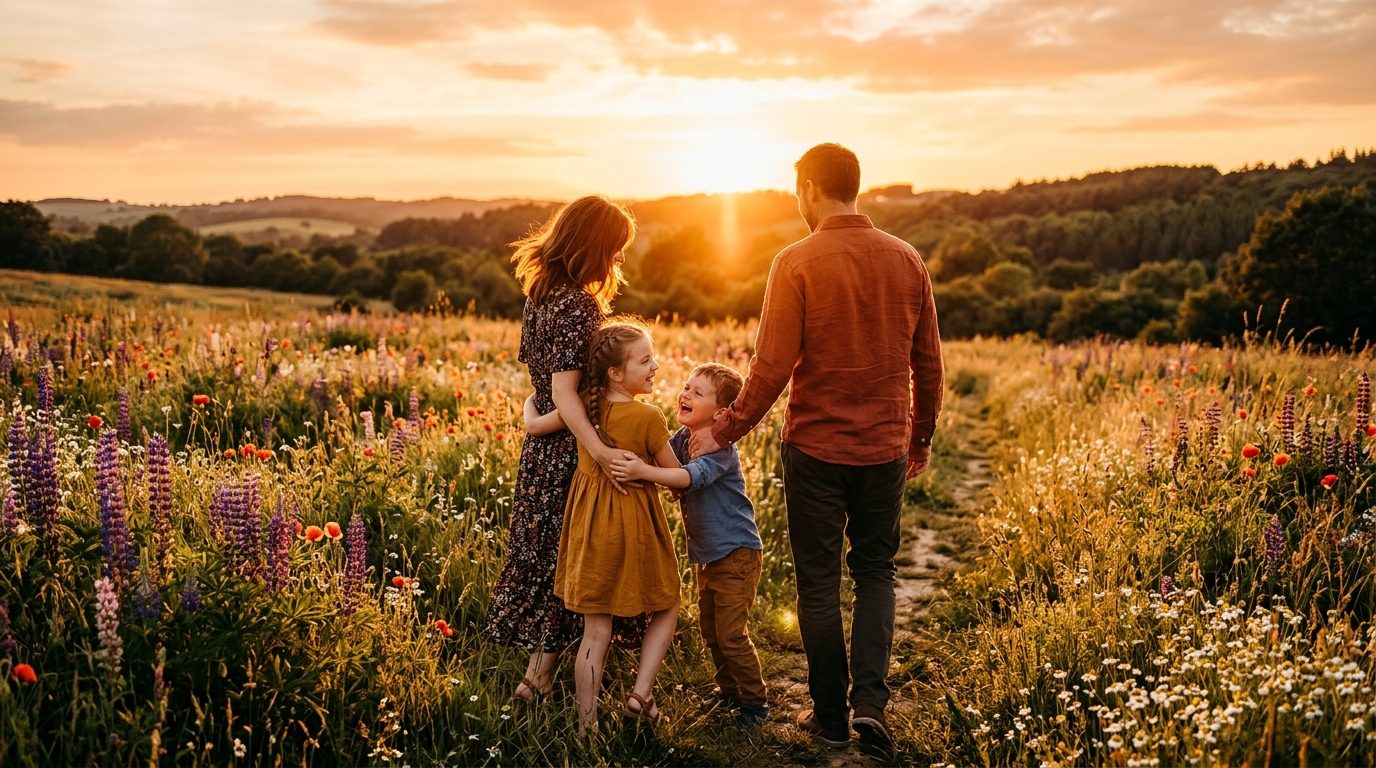
Lighting is the fundamental ingredient that distinguishes ordinary snapshots from breathtaking fine art portraits. For outdoor family sessions, scheduling your shoot during golden hour—the final sixty to ninety minutes before sunset—provides the most flattering natural illumination available.
During golden hour, the sun rests low along the horizon, casting a warm, luminous glow across the landscape and producing soft, diffused backlighting. Position the family with their backs toward the setting sun to prevent squinting and avoid harsh midday shadows beneath eyes and noses. Using subtle backlighting creates gorgeous rim light in hair and adds rich dimensional separation between subjects and background foliage.
When selecting outdoor shooting locations, prioritize spacious public parks, nature reserves, open fields, or sandy coastlines that offer both expansive vistas and safe, enclosed areas for children to explore. Look for environments that feature varied visual textures, such as tall prairie grasses, rustic stone walls, and tree canopies that provide open shade if you must begin shooting prior to peak golden hour.
Reviewing educational resources from the University of Nevada Extension principles of photographic composition highlights foundational composition guidelines regarding rule of thirds, leading lines, and environmental framing that elevate outdoor family portraits into captivating visual narratives.
Coordinating Complementary Outfits and Wardrobe Textures
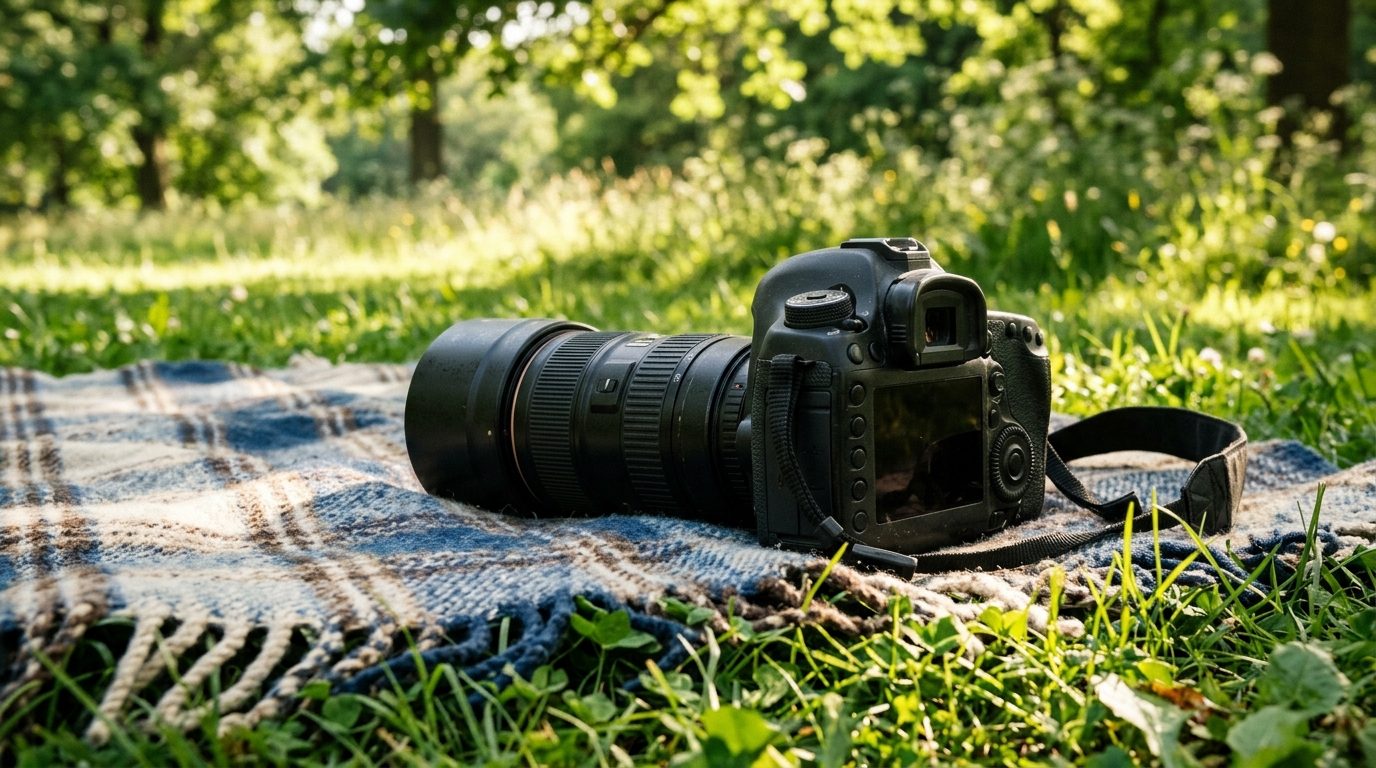
Wardrobe selection plays a pivotal role in the visual harmony of a family portrait collection. Clashing colors, loud patterns, or overly formal attire can distract the viewer’s eye from the genuine emotional connections between family members.
Guide parents toward selecting a cohesive color palette built around two to three coordinating tones rather than dressing everyone in identical matching outfits. Timeless combinations like cream, camel, and sage green, or navy, mustard, and rust brown harmonize beautifully with outdoor natural surroundings without looking staged or artificial.
Encourage mixing varied textures across outfits to introduce tactile visual interest. Combining chunky knit sweaters, linen shirts, soft corduroy, and flowy maxi dresses creates organic depth in the camera frame. Caution clients against wearing neon colors, bright athletic sneakers, large corporate logos, and tight pinstripes that can cause moire distortion on camera sensors.
For additional insights into infant styling, safety precautions, and comfortable portrait environments, review our detailed guide on newborn photography tips.
Directing Natural Interactions Rather Than Rigid Stiff Poses
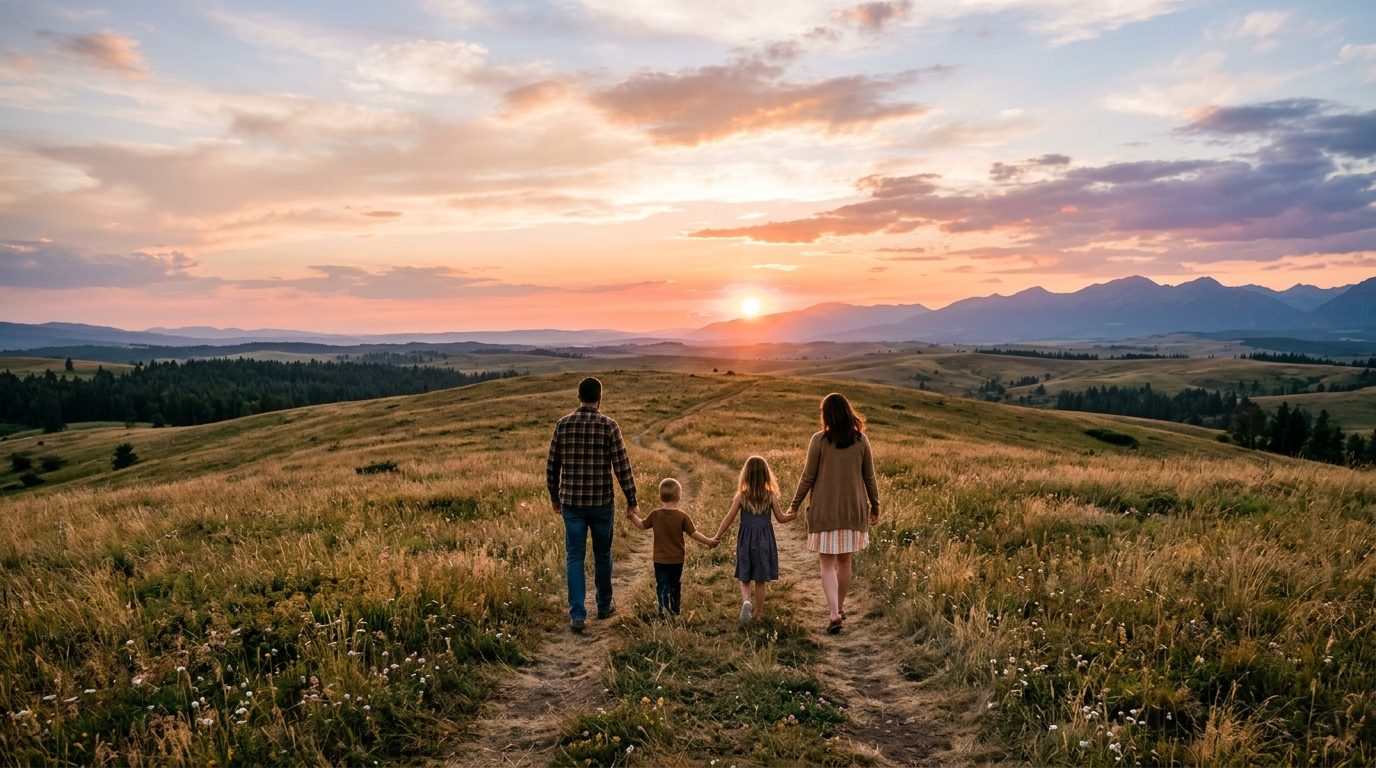
The days of forcing families into stiff, robotic lines while commanding everyone to smile directly at the lens are long gone. Modern clients desire lifestyle portraits that reflect their real family dynamics, warmth, and affectionate bonds.
Utilize prompt-based posing to elicit spontaneous laughter and authentic expressions. Instead of instructing a family to stand still, invite parents to swing their toddler between them while walking slowly toward the camera, or ask siblings to whisper their silliest secret into their mother’s ear. Giving subjects an active, playful task occupies their minds and allows their natural personalities to shine through effortlessly.
Utilizing Prompt-Based Posing to Spark Candid Emotional Laughter
Prompting families to engage in gentle, physical connection creates organic, emotional moments. Ask parents to pull their children into a tight group bear hug, challenge siblings to a tickle contest, or instruct everyone to look at the person who tells the funniest jokes. These playful interactions immediately break the ice, melting away initial camera stiffness and resulting in joyful, candid portraits.
Always capture a few classic, camera-aware portraits near the beginning of the session while children’s attention spans are fresh and energy levels are calm. Once you have secured clean, smiling portraits for grandparents and holiday cards, dedicate the remainder of the session to dynamic, candid lifestyle storytelling.
Managing Energetic Toddlers and Reluctant Family Members Calmly
Working with toddlers and young children requires endless patience, flexibility, and a playful attitude. Children feed off the emotional energy around them; if parents or the photographer appear stressed or frustrated, children will inevitably become resistant and withdrawn.
Reassure parents right at the beginning of the shoot that their children do not need to behave like miniature adults. Explain that running, exploring, and being silly are entirely welcomed and part of the creative process. When a toddler refuses to cooperate with a specific pose, never force the issue; simply pivot to an open game of chase or let the child explore a dandelion while capturing sweet, unposed environmental portraits.
Planning Playful Buffer Breaks to Prevent Child Meltdowns
Young children have limited emotional stamina, especially after a long day at school or daycare. Build brief five-minute breaks into your session schedule where children can drink water, eat a clean, non-staining snack, or cuddle quietly with their parents. Respecting a child’s rhythm prevents catastrophic meltdowns and allows them to recharge their emotional reserves.
Reviewing youth photography programs from the National 4-H Council youth and outdoor photography curriculum underscores how patience, playful curiosity, and positive reinforcement encourage active child engagement and creative collaboration.
Camera Settings and Shutter Speeds for Fast-Moving Children
Because children move rapidly and unpredictably, using correct camera settings is essential to prevent disappointing motion blur and soft focus in your final gallery.
Maintain a minimum shutter speed of one five-hundredth of a second for walking and candid interactions, increasing to one one-thousandth of a second or faster when children are running, leaping, or spinning. Select continuous autofocus tracking mode paired with eye-detection autofocus, which locks tenaciously onto children’s eyes as they move through the frame.
Choosing Fast Shutter Speeds to Freeze Fast Childhood Motion
To ensure adequate depth of field when photographing multiple family members on different focal planes, avoid shooting wide open at extreme apertures like f/1.4 or f/1.8. Stopping down your aperture to f/2.8 or f/4 keeps both parents and children sharp while still rendering a soft, beautifully blurred background.
Consulting our foundational photography for beginners guide will help you master manual exposure controls, ISO sensitivity management, and prime lens selection for outdoor portraiture.
Implementing these practical family photography tips elevates your client experience, transforming potential portrait chaos into a relaxed, joyful celebration. Families will remember how comfortable you made them feel, resulting in glowing reviews, enthusiastic social sharing, and cherished annual repeat bookings as their children grow.
Frequently Asked Questions
What time of day is best for outdoor family portrait sessions?
The best time for outdoor family portraits is during golden hour, which occurs during the first hour after sunrise or the last hour before sunset. During these brief windows, the sun sits low in the sky, producing soft, warm, directional light that flatters skin tones and eliminates harsh facial shadows. If scheduling conflicts require midday shooting, seek out open shade beneath tall trees or building facades.
What camera shutter speed is recommended for photographing active kids?
Photographers should use a minimum shutter speed of one five-hundredth of a second when capturing active, fast-moving children. Increasing the shutter speed to one eight-hundredth or one one-thousandth of a second is recommended when kids are running, jumping, or playing games. Maintaining fast shutter speeds prevents motion blur and ensures crisp, sharply focused eyes in every candid frame.
How should parents dress their family for outdoor portrait shoots?
Parents should select a cohesive color palette of two to three complementary tones such as warm neutrals, soft earth shades, and muted jewel colors. Avoid identical matching outfits like white shirts and blue jeans, and steer clear of bright neon colors, graphic text, and tiny pinstripes. Incorporating varied tactile fabrics like knits, corduroy, and linen adds visual richness and depth to portraits.
What should a photographer do when a young child refuses to smile?
When a child feels shy or uncooperative, avoid telling them to smile or say cheese, which creates forced, artificial expressions. Instead, shift focus to interactive, play-based prompts such as whispering secrets, racing toward parents, or searching for hidden bugs in the grass. Engaging children in playful games distracts them from the camera and produces spontaneous, genuine laughter.