Mastering practical newborn photography tips requires balancing artistic vision with an absolute, non-negotiable commitment to infant safety and comfort. Photographing delicate infants during their first few weeks of life demands specialized handling techniques, calm patience, and complete mastery of ambient studio conditions. When approached with proper training and thoughtful preparation, newborn portraiture produces treasured family heirlooms while keeping infants secure throughout every moment of the session.
Many beginners enter infant portraiture underestimating the specialized physical requirements involved in soothing and posing young babies. Unlike older children or adults who follow spoken direction, infants respond entirely to environmental warmth, tactile comfort, hunger cues, and physiological reflexes. Consulting a comprehensive photography pricing guide ensures your session fees account for the extended duration and specialized safety measures these delicate sessions require.
By establishing strict studio hygiene standards, mastering safe developmental posing limits, and communicating transparently with parents, you cultivate an environment where both baby and parents feel completely relaxed. Creating this serene atmosphere is the foundational secret to capturing natural, peaceful portraits that parents cherish for decades.
This comprehensive guide details the core principles every emerging portrait artist must understand before welcoming infants into their studio. You will learn critical safety rules, environmental controls, flattering lighting setups, soothing workflows, and parental communication protocols.
Prioritizing Infant Safety and Comfort During Sessions
Infant safety is the paramount priority in every newborn session, taking precedence over creative concepts, prop aesthetics, and parental requests. Newborns lack muscle control, cannot regulate body temperature efficiently, and possess fragile airways that must remain unobstructed at all times. You must never place a baby in an unstable prop, balance an infant precariously, or leave a baby unattended on any elevated surface.
Always maintain physical contact or have a spotter positioned mere inches away whenever a baby is positioned on a posing beanbag, flokati rug, or inside a safe wooden crate. Incorporating safe infant positioning practices is strongly reinforced by medical guidelines from the American Academy of Pediatrics safe infant sleep guidelines on HealthyChildren, which emphasize clear airway maintenance and firm, stable surfaces.
Sanitize your studio space thoroughly before every session. Wash all blankets, posing fabrics, and swaddles in hypoallergenic, fragrance-free laundry detergents. Photographers must wash their hands frequently and reschedule sessions immediately if showing any signs of illness, fever, or respiratory symptoms.
Learn to read baby cues attentively. Signs of discomfort, hunger, physiological stress, or startling reflex must be addressed immediately rather than pushing through to complete a shot. A content, well-fed baby will pose naturally and sleep soundly.
Studio Temperature and Environment Preparation
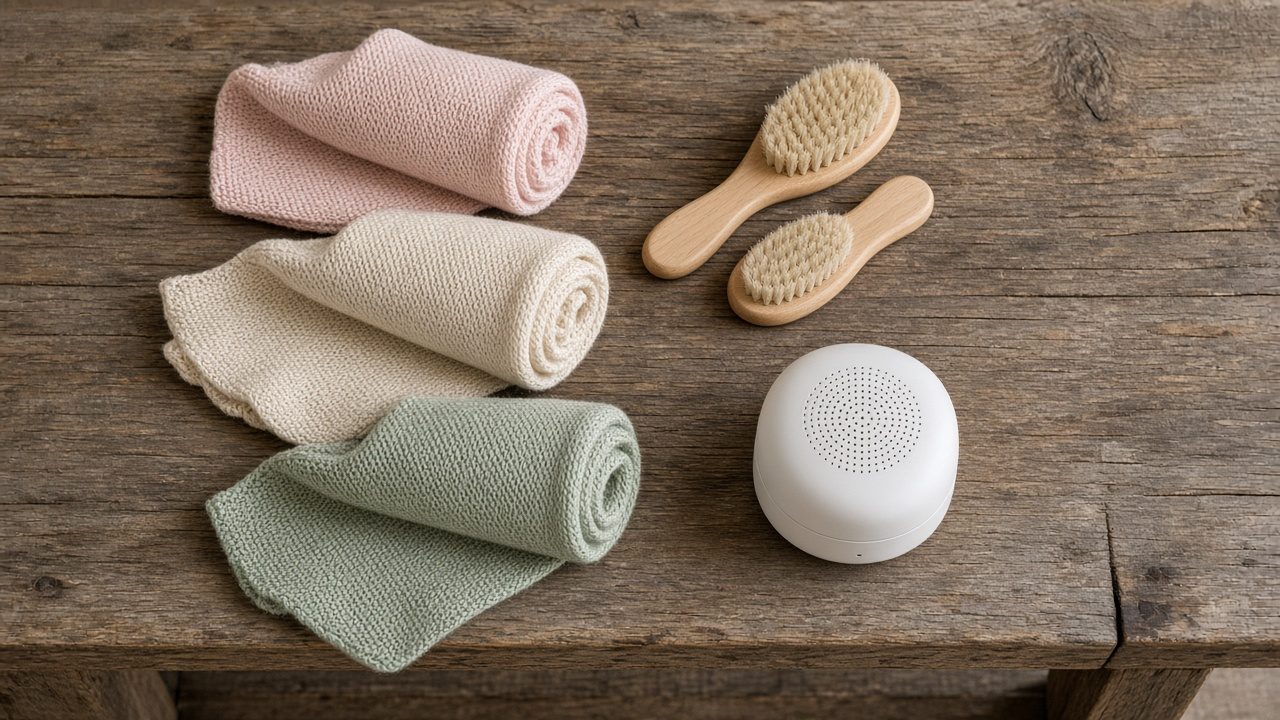
Maintaining an optimal physical environment is essential for keeping unswaddled infants calm and comfortable. Because newborns cannot regulate their own body heat, standard room temperatures of sixty-eight to seventy-two degrees Fahrenheit will feel uncomfortably cold to a baby wearing only a diaper or wrap.
Using Spotters and Composite Images for Complex Poses
Many classic newborn poses seen in professional portfolios—such as the upright froggy pose or hanging hammock shots—are never performed unsupported in real life. These images are always created as multi-image composites in editing software. A parent or assistant securely supports the baby’s wrists and head in separate exposures, which are subsequently blended together seamlessly in post-production.
Never attempt to force an infant into an unnatural posture or balance their head without continuous hands-on physical support. If an infant resists a particular position or shows tension in their limbs, transition immediately to a simpler, relaxed posture that respects the baby’s natural comfort.
Regulating Ambient Room Temperature for Baby Warmth
Preheat your shooting room to approximately seventy-five to eighty degrees Fahrenheit before the family arrives. Utilize a quiet space heater positioned safely away from props and fabrics to maintain consistent ambient warmth. Keep a digital thermometer near the posing area to monitor temperatures accurately and prevent both chilling and overheating.
Incorporate continuous white noise to simulate the familiar auditory environment of the womb. A dedicated white noise machine or soothing audio track running at moderate volume masks shutter clicks, parent conversation, and outside traffic, helping the infant remain in a deep, peaceful sleep state.
Diffusing Natural Window Light for Gentle Shadows
Soft, diffused lighting is the most flattering illumination for delicate newborn skin. Harsh, direct sunlight or unmodified electronic flashes can startle sensitive infant eyes and accentuate skin redness, dry flaking, or jaundice. Large north-facing windows fitted with sheer white diffusion curtains produce gentle transitions between highlights and shadows.
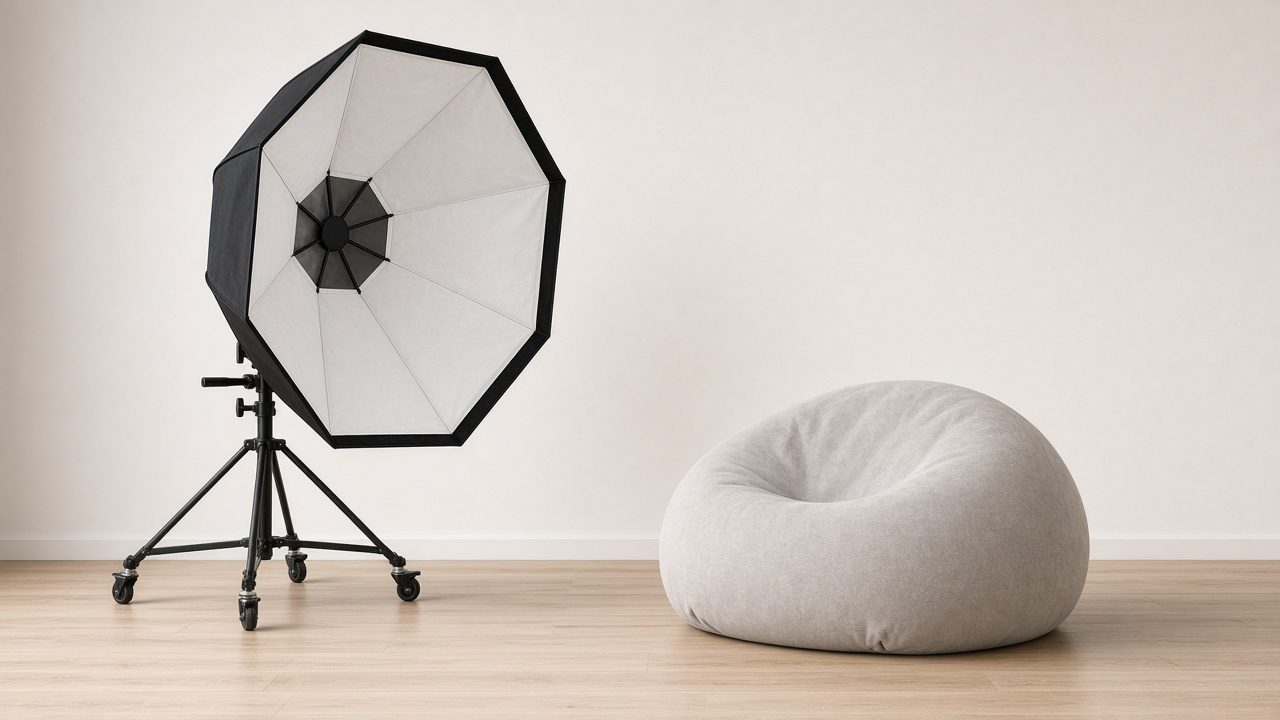
If shooting with continuous studio strobes, pair the light source with a massive sixty-inch or eighty-inch octabox fitted with double internal diffusion baffles. Position the light at a forty-five-degree angle feathering down from the top of the baby’s head toward their feet to create natural, directional modeling.
Lighting Setups for Soft and Flattering Portraits
Achieving soft portrait illumination requires careful positioning of your light source relative to your posing station. Directing light straight into an infant’s face flattens natural contours and washes out delicate facial features. Instead, angle your light so that illumination washes gently across the forehead, nose, and cheeks, casting subtle shadows under the chin.
Utilize large white foam core boards or reflector panels on the shadow side of the posing cushion to bounce fill light back into deep crevices. This passive fill softens shadow density without introducing secondary catchlights in the baby’s eyes or requiring additional distracting flash units.
Keep your camera settings optimized for handheld flexibility and shallow depth of field. Shooting at apertures between f/2.2 and f/3.2 provides sufficient sharpness across both eyes while gently blurring distracting blanket folds and background textures.
Manage your studio workflow efficiently using financial planning principles outlined in the U.S. Small Business Administration studio financial management guide, ensuring that your lighting investments support dependable daily operations.
Gentle Posing and Wrapping Techniques for Beginners
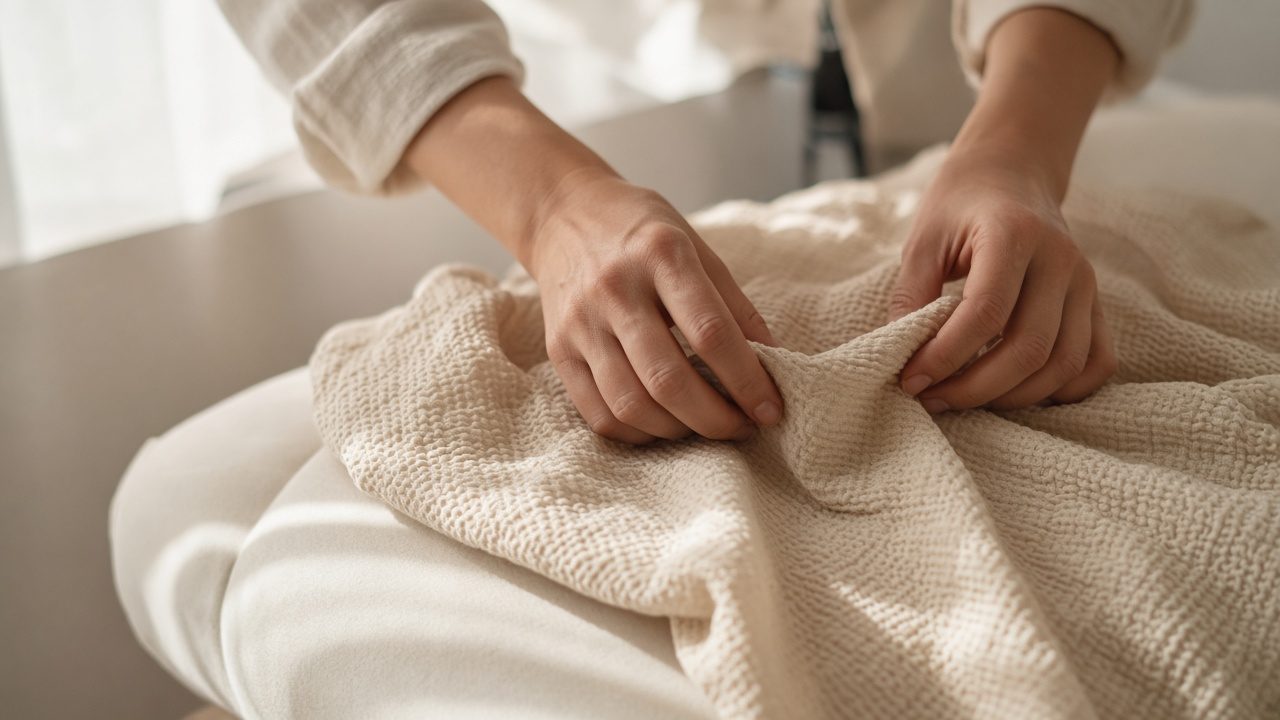
Wrapping is an invaluable skill that calms fussy infants and provides secure structural support during portrait sessions. A snug, breathable swaddle reproduces the feeling of womb confinement, preventing the startle reflex from waking the infant when transitioning between setups.
Begin sessions with a secure base wrap made from stretchy rayon or jersey knit fabric. Once the base wrap is established, you can layer decorative textured wraps, bonnet accessories, or delicate headbands over the base without disturbing the resting baby. This modular workflow allows you to capture diverse looks in rapid succession.
When posing an unwrapped baby on a beanbag, focus on natural curled positions such as side-lying or tummy poses with hands tucked gently under the chin. Support the baby’s head and neck with soft posing pillows placed underneath the backdrop fabric. Never pull, twist, or force limbs into rigid angles.
Reviewing our detailed how to price photography guide will help you structure portrait packages that give you ample unhurried time to soothe and wrap babies without feeling rushed by tight scheduling.
Communicating with Parents Before and During the Shoot
Parental preparation is the cornerstone of a smooth, successful portrait session. Send a detailed preparation guide several days before the scheduled shoot outlining what to wear, how to prepare the baby, and what to expect during their studio visit. You can learn how to build onboarding resources in our tutorial on the photography welcome guide.
Instruct parents to feed the baby right before leaving home or upon arriving at the studio. A full feeding combined with the warm studio environment naturally induces a deep, content sleep cycle. Encourage parents to dress the baby in loose-fitting clothing that unbuttons easily without needing to be pulled over the head.
Reassure anxious new parents that crying, feeding breaks, and diaper accidents are completely normal parts of the process. Provide comfortable seating, refreshments, and a calm, judgment-free atmosphere where parents can relax while you handle the baby with professional care.
Implementing structured newborn photography tips ensures that your studio workflows remain predictable and enjoyable for both baby and parents. When parents observe your gentle techniques and unhurried demeanor, their confidence in your expertise grows, creating meaningful long-term client relationships that lead to recurring family portrait milestones.
Frequently Asked Questions
What is the ideal age for scheduling newborn portraits?
The ideal window for capturing curled sleeping newborn portraits is between five and fourteen days after birth. During this period, babies sleep deeply for extended periods and naturally curl into womb-like postures without fussing. Beyond two weeks of age, babies become more alert, stretch out their limbs, and may develop common infant colic or baby acne.
How warm should the studio room be during the photo shoot?
The studio shooting area should be heated to between seventy-five and eighty degrees Fahrenheit to keep the infant comfortable when unswaddled. Because newborns cannot regulate their own body temperature, standard room temperatures feel chilly and cause shivering or restlessness. Use a safe space heater and monitor temperatures continuously to maintain consistent comfort.
What safety precautions are essential when posing sleeping babies?
Never leave an infant unattended on any raised surface, and always keep a spotter within arm’s reach of the posing area. Complex postures such as the froggy pose must always be executed as multi-image digital composites with adult hand support rather than unsupported balances. Clean all blankets thoroughly in hypoallergenic detergents and ensure baby airways remain completely unobstructed.
How long does a typical infant portrait session take?
A typical infant portrait session lasts between two and four hours to accommodate unhurried feeding breaks, diaper changes, and soothing transitions. Rushing an infant leads to agitation, so building substantial buffer time into your schedule is essential for a peaceful experience. Allowing generous time ensures both baby and parents remain relaxed throughout the session.