Learning how to price photography is one of the most essential skills you must develop when turning a creative passion into a sustainable business. Many new photographers begin by setting rates based on fear, imposter syndrome, or arbitrary figures found online. However, establishing your fees without understanding overhead and production costs quickly leads to creative burnout, uncompensated labor, and financial exhaustion.
When clients hire a professional photographer, they are investing in much more than sixty minutes of shutter clicks. They are commissioning technical expertise, specialized equipment, creative direction, artistic post-processing, and secure digital asset management. Consulting a comprehensive photography pricing guide helps you align your rates with actual business expenses so every shoot remains profitable and predictable.
Whether you photograph families, high school seniors, local corporate events, or commercial products, the underlying financial formulas remain consistent. By shifting your mindset from casual hobbyist pricing to professional cost accounting, you build confidence and create transparent rate sheets that clients respect and readily accept.
This comprehensive walkthrough explores the core mathematical principles behind sustainable rate creation. You will learn how to calculate your annual operating costs, select the best billing structure for your genre, and quote client projects with complete professional clarity.
Determining Your Cost of Doing Business and Hourly Photography Rates
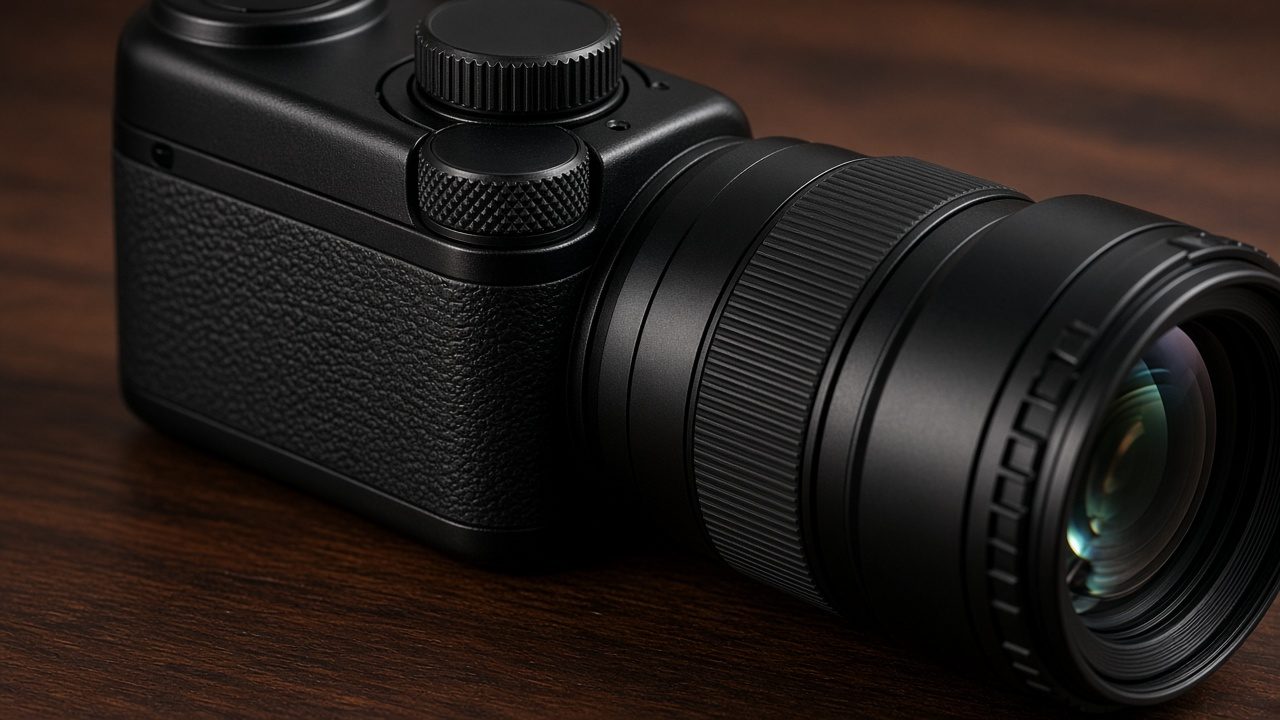
The foundation of every viable pricing model is knowing your cost of doing business (CODB). Your CODB represents the non-negotiable financial baseline required to keep your doors open, regardless of whether you shoot one session or twenty sessions in a given month. Calculating your business overhead accurately is supported by small business development frameworks from the U.S. Small Business Administration startup cost guide, which emphasizes separating personal living costs from business overhead.
Fixed business expenses include camera equipment depreciation, lens maintenance, professional liability insurance, web hosting, client gallery software, studio software subscriptions, computer hardware, and marketing costs. Variable expenses include travel fuel, lab printing fees, packaging supplies, and contract second-shooter payments. Adding your desired personal salary and self-employment taxes to this overhead gives you your total gross annual revenue requirement.
Once you determine your gross revenue target, divide that sum by the number of billable shoot days you realistically plan to complete each year. Many beginners ask how much beginner photographers charge per hour when first getting started. While national hourly averages for emerging photographers range between fifty and one hundred fifty dollars per billable hour, you must remember that an hour spent shooting requires three to four non-billable hours of editing, client messaging, and administrative management.
Tracking every administrative hour prevents underestimating the true time commitment required for each client delivery. If you dedicate ten total hours to a portrait booking, an apparently generous three-hundred-dollar session fee translates to just thirty dollars gross per working hour before deducting taxes and software subscriptions.
Choosing Between Hourly, Package, and Value Price Models

Deciding how to charge for creative services involves choosing a pricing architecture that aligns with your specific niche and client expectations. The three most common billing structures across the photography industry are hourly billing, bundled package collections, and value-based or commercial licensing rates.
Hourly Billing for Events and Commercial Work
Hourly billing is common for corporate events, sports tournaments, and commercial shoots where scope and time commitments fluctuate unpredictably. However, billing strictly by the hour often penalizes seasoned photographers who work efficiently. As your composition speed and editing workflows improve, an hourly model pays you less money for producing identical or superior client results.
Bundled Package Collections for Portrait Sessions
For portrait and wedding genres, bundled package collections represent the industry standard. A well-crafted package bundles the session fee with high-resolution digital files and a tangible print product. Understanding how to structure your session rates using tiered collections allows you to offer an accessible starter option, a popular middle package, and a premium luxury option that maximizes revenue per client.
Value-Based Pricing for Commercial Licensing
Commercial and advertising assignments typically utilize value-based pricing combined with image licensing fees. Under this model, the client pays a creative day rate plus a usage fee determined by the reach, duration, and distribution medium of the final marketing assets. This structure ensures that commercial clients pay proportional value for images that directly generate corporate profits.
Standard Session Rates Across Major Portrait Specialties

A common question among emerging photographers is how much to charge for a portrait session across different creative specialties. While local market demographics influence client budgets, industry benchmarks offer practical starting guidelines for setting your introductory package rates.
Family and maternity portrait sessions typically range from two hundred fifty to six hundred dollars for emerging to mid-level photographers. These sessions generally last sixty to ninety minutes and deliver fifteen to thirty professionally retouched high-resolution digital files in an online gallery. Offering clear collections with defined print allowances encourages clients to invest in physical albums and wall displays rather than letting digital files remain dormant on hard drives.
High school senior portraits often support higher investment levels, typically between three hundred and eight hundred dollars, because families value multi-outfit sessions and diverse location changes. Corporate headshot sessions generally charge between one hundred fifty and three hundred dollars for a thirty-minute studio session delivering one or two retouched commercial headshot files.
When clients evaluate your rates, clarity and presentation matter just as much as the numbers themselves. Presenting a polished investment guide with transparent package inclusions eliminates confusion and builds client trust from the initial inquiry consultation.
Calculating Per-Image and Digital Photography Price Points
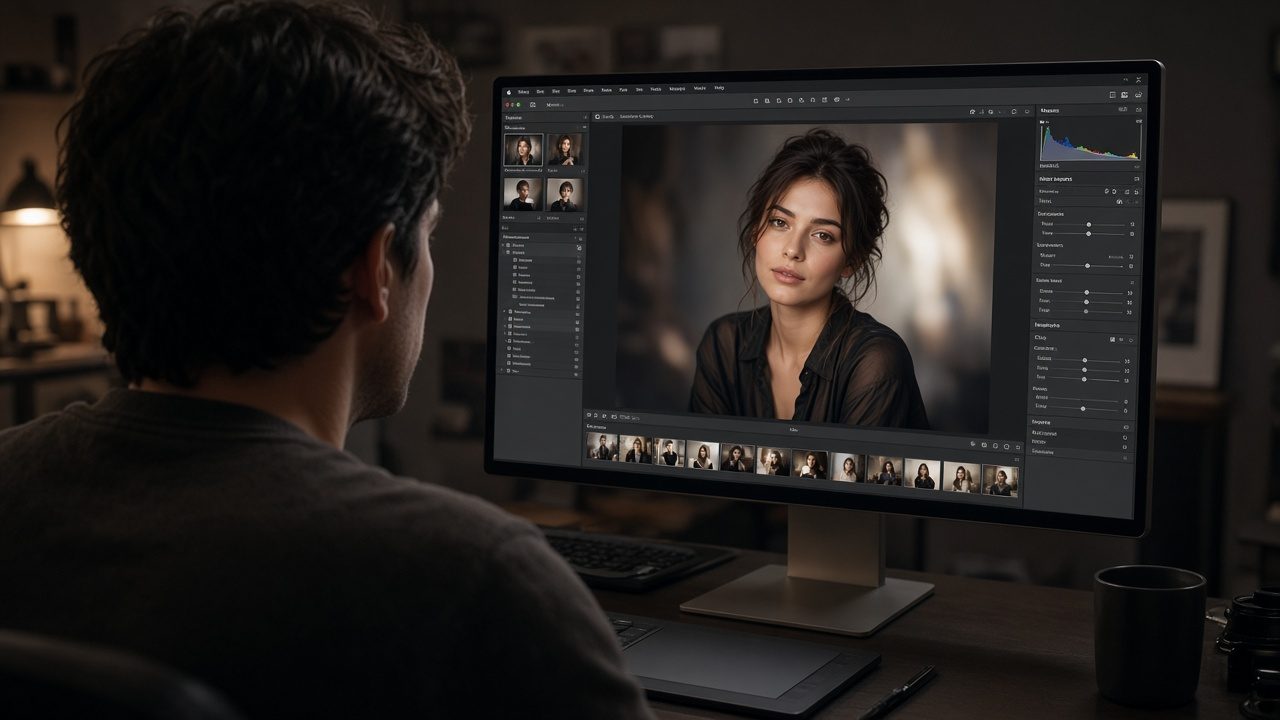
Clients frequently ask to purchase individual files, prompting the question of how much beginner photographers charge per image. Selling digital files or prints on an a la carte basis requires a structured price floor that reflects the creative investment behind every finished image.
Beginner photographers often sell individual digital files for fifteen to thirty-five dollars each, while experienced portrait studios charge fifty to one hundred dollars or more per high-resolution retouched image. Pricing individual files too cheaply devalues your package collections and encourages clients to purchase minimal files rather than comprehensive session packages.
When pricing physical prints, never apply simple consumer print lab markups. Professional photographers typically apply a minimum markup of three to four times the professional lab print cost plus a finishing fee. This markup covers studio proofing time, shipping handling, print inspection, and archival packaging materials.
Structuring your digital and print menus strategically ensures that clients perceive greater value in your bundled collections. When the price of purchasing individual digital files exceeds the cost of an all-inclusive collection, clients naturally gravitate toward higher-tier packages.
Sustainable Price Structures for Long-Term Studio Profitability
Understanding sustainable pricing methods successfully means recognizing that your rates must evolve alongside your business maturity. Many emerging artists wonder how much they should charge for photo sessions during their first year in business. The key is avoiding the trap of working for free under the guise of exposure. Working without compensation sets unsustainable client expectations and prevents you from acquiring the financial resources needed to maintain professional tools.
Implementing disciplined financial habits from day one aligns with guidance from the U.S. Small Business Administration financial management guide, which advises maintaining dedicated business accounts and tracking all client receivables. For your initial portfolio building phase, offering a discounted introductory rate or a “model call” session fee of one hundred to two hundred dollars allows you to gain real-world shooting experience while establishing client accountability.
As your portfolio matures, client testimonials accumulate, and calendar inquiries increase, implement incremental rate increases of ten to twenty percent every five to ten completed sessions. Consistently reviewing your booking conversion rates indicates when it is time to raise your prices. If more than eighty percent of incoming inquiries book your services immediately without question, your rates are likely positioned below market value. A healthy booking conversion rate typically sits between forty and sixty percent, indicating that your pricing reflects quality and filters for committed clients.
Mastering how to price photography is not an overnight event, but rather an evolving operational system. When you establish your studio rates using accurate financial data, your creative business becomes financially resilient and fulfilling for years to come.
Frequently Asked Questions
How much do beginner photographers charge per hour?
National hourly rates for emerging photographers typically range between fifty and one hundred fifty dollars per billable shoot hour. However, every hour spent shooting requires three to four non-billable hours of post-processing, client communication, and administrative tasks. Tracking your total hours ensures your effective earnings cover operational overhead and self-employment taxes.
How much should I charge for a family portrait session?
Family portrait sessions generally range from two hundred fifty to six hundred dollars for emerging to mid-level photographers. These shoots typically last sixty to ninety minutes and include fifteen to thirty retouched digital files delivered in an online gallery. Offering clear print allowances encourages clients to purchase physical albums alongside their digital files.
What is a reasonable price to charge for individual digital files?
Emerging photographers typically sell individual digital image files for fifteen to thirty-five dollars each, while established studios charge fifty to one hundred dollars or more per image. Pricing individual digital files properly ensures that your bundled session packages remain attractive and profitable. It also prevents clients from selecting a minimal number of individual images rather than complete collections.
How do I know when it is time to raise my photography rates?
Consistently monitoring your client inquiry conversion rate indicates when you should increase your pricing. If more than eighty percent of prospective clients book your services immediately without hesitation, your fees are likely positioned below market value. A sustainable conversion rate typically ranges between forty and sixty percent for established portrait studios.