Consulting an objective wedding photography pricing guide is vital for emerging photographers seeking to establish profitable, sustainable rates in the competitive bridal industry. Wedding coverage entails immense emotional responsibility, rigorous physical stamina, multi-location logistics, and dozens of post-production editing hours. Establishing structured, tiered collections based on realistic operating overhead guarantees that your business thrives while delivering exceptional value to your couples.
Many novice wedding photographers begin by undercharging, offering eight or ten hours of full coverage for nominal fees that fail to cover travel, equipment wear, second shooters, and self-employment taxes. This approach leads rapidly to creative exhaustion and financial insolvency. Consulting a foundational photography pricing guide ensures your rate architecture accounts for every hour of client labor.
Wedding clients seek confidence, reliability, and artistic vision. When you present structured packages with transparent deliverables, couples recognize the immense value of professional coverage and willingly invest in comprehensive collections.
This comprehensive pricing manual details how to calculate your wedding coverage costs, design profitable package tiers, price heirloom albums, budget for qualified second shooters, and structure legally binding client contracts.
Calculating Cost of Doing Business for Wedding Coverage
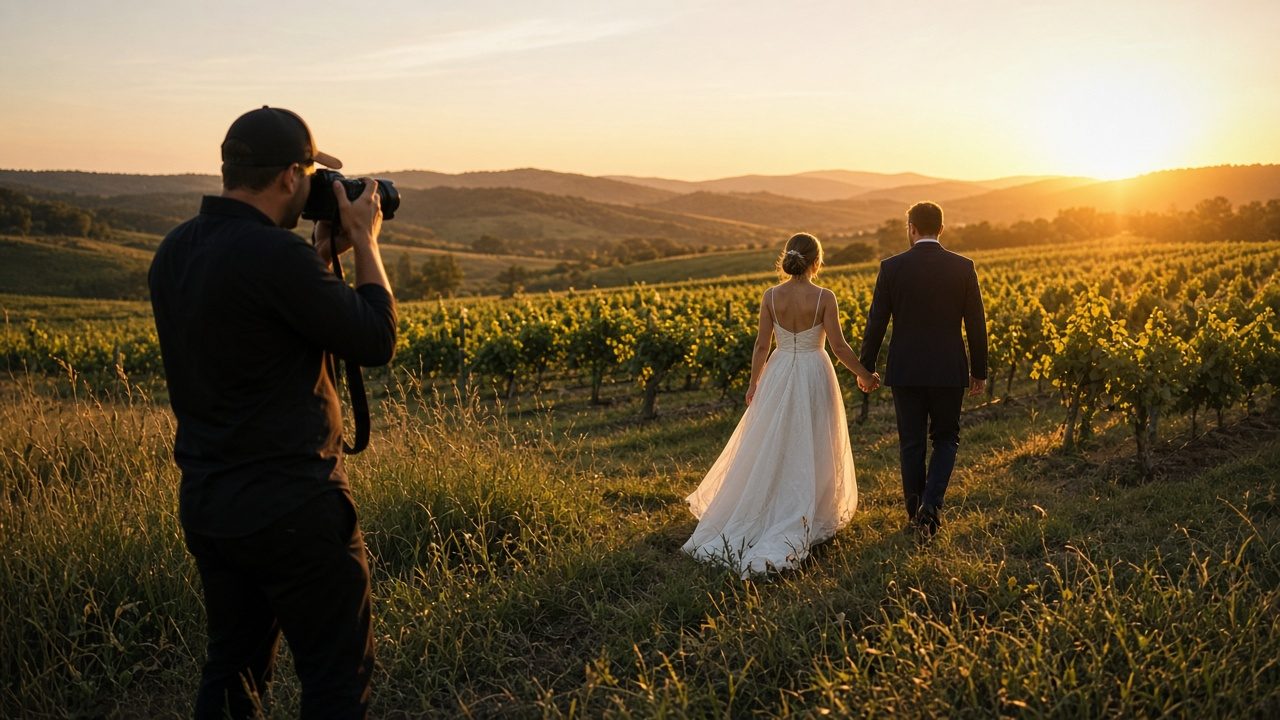
Determining your wedding rates begins with calculating your annual cost of doing business (CODB). Wedding photography requires substantial capital investments in dual camera bodies, fast zoom and prime lenses, off-camera lighting strobes, liability insurance, cloud backup storage, client gallery hosting, and transportation.
Beyond gear depreciation, calculate the total labor hours required for every wedding booking. An eight-hour wedding day requires approximately twenty to thirty additional hours of client consultations, timeline planning, venue walkthroughs, photo culling, color grading, album design, and gallery delivery. A photographer booking twenty weddings per year dedicates over six hundred hours strictly to wedding production tasks.
Aligning your financial calculations with small business tax standards is supported by official guidance from the Internal Revenue Service small business tax and operational guidance, ensuring that federal self-employment and estimated quarterly taxes are factored into every package price.
Divide your total annual overhead and target personal income by the realistic number of weddings you can shoot each season. If your annual overhead and salary requirement total eighty thousand dollars and you shoot twenty weddings, your minimum average booking must exceed four thousand dollars.
Structuring Tiered Collections for Modern Couples
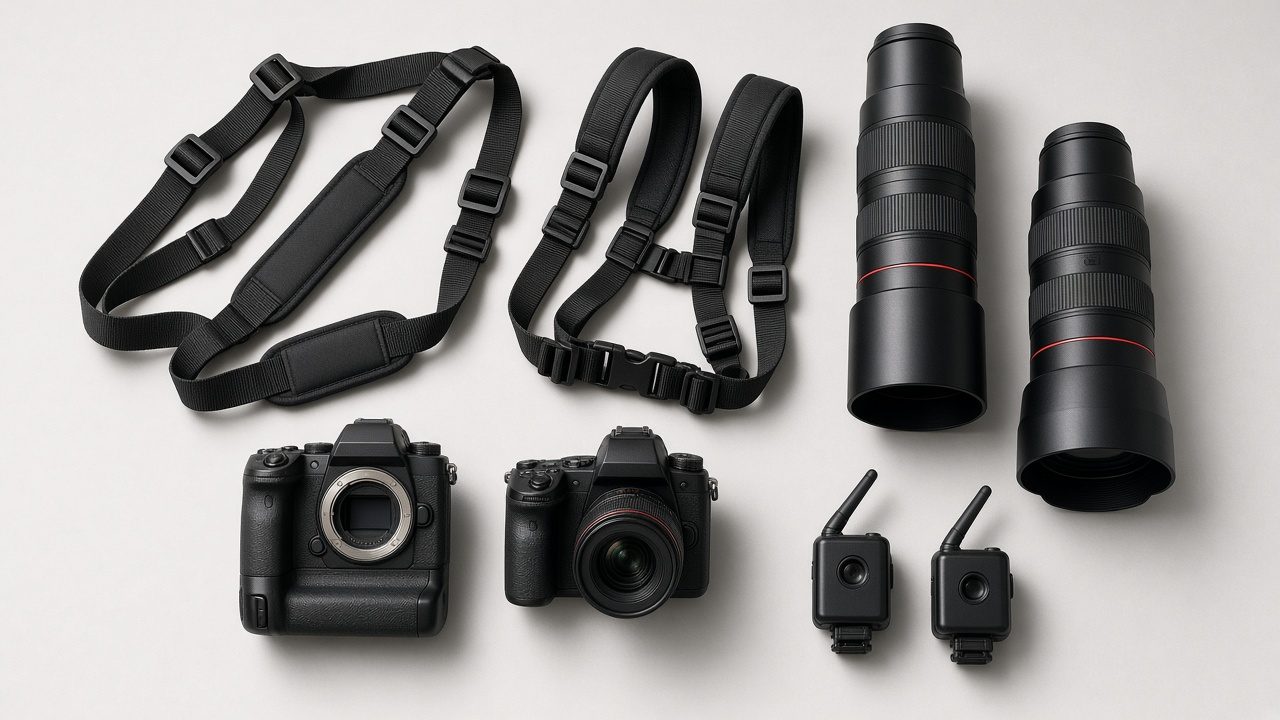
Offering three carefully structured package collections simplifies the client decision-making process while steering bookings toward your most profitable middle tier. A tiered menu eliminates decision paralysis by bundling coverage hours, photographers, and tangible deliverables into clear investment options.
Establishing Clear Inclusions for Three Core Collections
Your starter collection should cater to intimate celebrations or shorter timelines, offering six hours of single-photographer coverage and digital gallery files. This collection sets your pricing floor and appeals to budget-conscious couples while ensuring you maintain acceptable hourly compensation.
Your middle collection represents your flagship offering and should be designed as the most compelling value for typical wedding days. Include eight hours of coverage, a qualified second photographer, a complimentary engagement session, and an online gallery with full personal printing rights. The vast majority of couples will select this balanced collection.
Your premium collection targets couples seeking comprehensive heirloom documentation. Feature ten to twelve hours of coverage, two photographers, an engagement shoot, rehearsal dinner coverage, and a luxury custom-designed leather wedding album. This top-tier package anchors your pricing menu and generates premium revenue.
Setting Fair Compensation Rates for Second Shooters
Hiring a skilled second shooter provides critical backup coverage, alternate viewing angles, and logistical support during fast-paced wedding ceremonies and receptions. Compensating your second photographers fairly ensures you attract dependable, experienced talent who represent your brand professionally.
Standard industry day rates for experienced second photographers range between forty and seventy-five dollars per hour, or three hundred to six hundred dollars for a full eight-hour wedding day. Always outline second shooter expectations in a formal written subcontractor agreement that covers dress code, equipment standards, image copyright transfer, and conduct rules.
Designing Retainers and Milestone Payment Schedules
Protect your calendar and studio cash flow by implementing a structured milestone payment schedule. Require a non-refundable retainer fee of twenty-five to thirty-three percent upon contract signing to reserve the wedding date exclusively. Because wedding dates are booked months or years in advance, non-refundable retainers compensate you for lost booking opportunities if a couple cancels.
Divide remaining balances into manageable installments, such as a second payment midway through the planning timeline and a final balance due thirty days prior to the wedding event. Never shoot a wedding with an outstanding balance, as collecting receivables post-event is notoriously challenging.
Comparative Wedding Package Coverage and Investment Chart

To assist couples in evaluating package choices, presenting an organized comparative chart clarifies deliverables and prevents scope creep. The following schedule outlines recommended package structures and national investment averages for emerging to mid-level wedding professionals.
| Collection Level | Hours of Coverage | Photographers | Deliverables & Inclusions | Investment Range |
|---|---|---|---|---|
| Intimate / Elopement | 4 to 5 Hours | 1 Lead Photographer | Online Gallery, 250+ Edited Files | $1,500 – $2,400 |
| Standard Celebration | 8 Hours | Lead + Second Shooter | Engagement Shoot, 500+ Files, Gallery | $3,000 – $4,500 |
| Full-Day Heirloom | 10 to 12 Hours | Lead + Second Shooter | Engagement, Heirloom Album, 750+ Files | $4,800 – $7,200 |
Reviewing our comprehensive how to price photography tutorial provides deeper insight into setting profitable print markups and calculating individual image licensing costs.
Using this standardized chart framework allows you to customize hours and physical album upgrades based on your regional market demographics and studio cost requirements.
Pricing Hourly Add-Ons, Heirloom Albums, and Rehearsals
A la carte enhancements offer substantial revenue growth beyond base collection fees. Offering additional hours of reception coverage, rehearsal dinner documentation, and custom flush-mount wedding albums allows clients to tailor packages to their exact preferences.
Set overtime rates at approximately one hundred fifty percent of your standard hourly rate to compensate for extended physical fatigue and late-night post-processing. Specify in your client agreement that day-of overtime must be approved in writing and paid prior to gallery release.
When pricing luxury heirloom albums, apply a minimum markup of three to four times the professional laboratory print cost plus design labor fees. Designing, proofing, and binding a custom leather album requires five to ten hours of meticulous design revisions, making proper markups essential for studio profitability.
Referencing small business financial protocols from the U.S. Small Business Administration guide on managing business finances ensures that product markups cover lab expenses, shipping fees, and local sales tax collection requirements.
Managing Second Shooter Compensation and Travel Fees
Destination weddings and multi-venue celebrations introduce travel expenses that must be transparently billed to clients. Never absorb destination travel costs into your standard wedding package fees.
Charge federal standard mileage rates for driving distances exceeding thirty to fifty miles from your studio home base. For destination events requiring overnight stays, bill clients directly for roundtrip airfare, baggage fees, rental vehicles, and two nights of hotel accommodations to ensure adequate rest before and after the event.
Maintaining a dedicated photography pricing calculator allows you to generate accurate custom travel quotes rapidly whenever inquiry leads arrive from outside your local territory.
Utilizing a comprehensive wedding photography pricing guide allows you to quote potential couples with complete professional assurance and transparency. When your packages reflect your true operational commitments, you eliminate financial anxiety and focus your creative energy entirely on capturing unforgettable celebratory memories.
Frequently Asked Questions
How much should an emerging photographer charge for wedding coverage?
Emerging wedding photographers typically charge between fifteen hundred and three thousand dollars for full wedding day coverage. This rate tier allows new professionals to build extensive portfolio assets while establishing commercial market credibility. As your client reviews and technical experience grow, rates naturally progress toward industry averages of three to five thousand dollars.
How many hours of coverage are typical for full-day weddings?
Eight hours of coverage represents the standard sweet spot for typical wedding timelines, accommodating getting-ready details, ceremony moments, family formals, romantic portraits, and main reception events. Larger celebrations with separate morning preparations and late-night exits often require ten to twelve hours. Intimate elopements and micro-weddings generally require four to six hours.
Should engagement sessions be included in wedding packages?
Including a complimentary engagement session in wedding packages is highly recommended because it acts as an invaluable dress rehearsal for both couple and photographer. Working together before the wedding day helps the couple become comfortable in front of your camera, establishing rapport and mutual trust. It also provides couples with polished imagery for invitations and guestbooks.
How much should I budget for a qualified second shooter?
Budget between forty and seventy-five dollars per hour, or three hundred to six hundred dollars for a full day, to hire a qualified second photographer. Offering fair compensation ensures you secure experienced associates who utilize professional dual-card camera bodies and reliable backup gear. Second shooters provide crucial alternate angles and invaluable peace of mind during ceremony events.