Learning how to price photography prints sustainably requires calculating your direct lab costs, factoring in packaging expenses, and applying a consistent markup multiplier that covers your overhead and desired profit margins. When portrait and wedding photographers transition from selling digital files alone to offering tangible fine art prints, establishing clear print pricing structures protects studio income and ensures every laboratory order delivers healthy net earnings.
Many emerging photographers struggle with print pricing because they confuse retail consumer costs with professional commercial markups. Charging twenty dollars for an eight-by-ten print that costs five dollars to print at a discount lab might appear to yield a fifteen-dollar profit, but this naive calculation completely overlooks credit card processing fees, custom packaging, shipping costs, studio editing time, and annual business overhead. To build a thriving studio, you must price physical art as a finished luxury product rather than a commoditized paper print.
Consulting an overarching photography pricing guide helps ensure your print rate sheets align seamlessly with your session fees and target client demographic. When you present professional artwork with confidence and explain the craftsmanship behind archival papers and handcrafted frames, clients understand why bespoke studio prints command premium pricing.
This comprehensive guide details the exact formulas, markup multipliers, package structures, and in-person presentation techniques necessary to price and sell physical artwork profitably. Whether you specialize in newborn portraits, high school senior pictures, or destination weddings, mastering these financial principles will elevate your average sale per client.
Calculating Base Production and Lab Fulfillment Costs
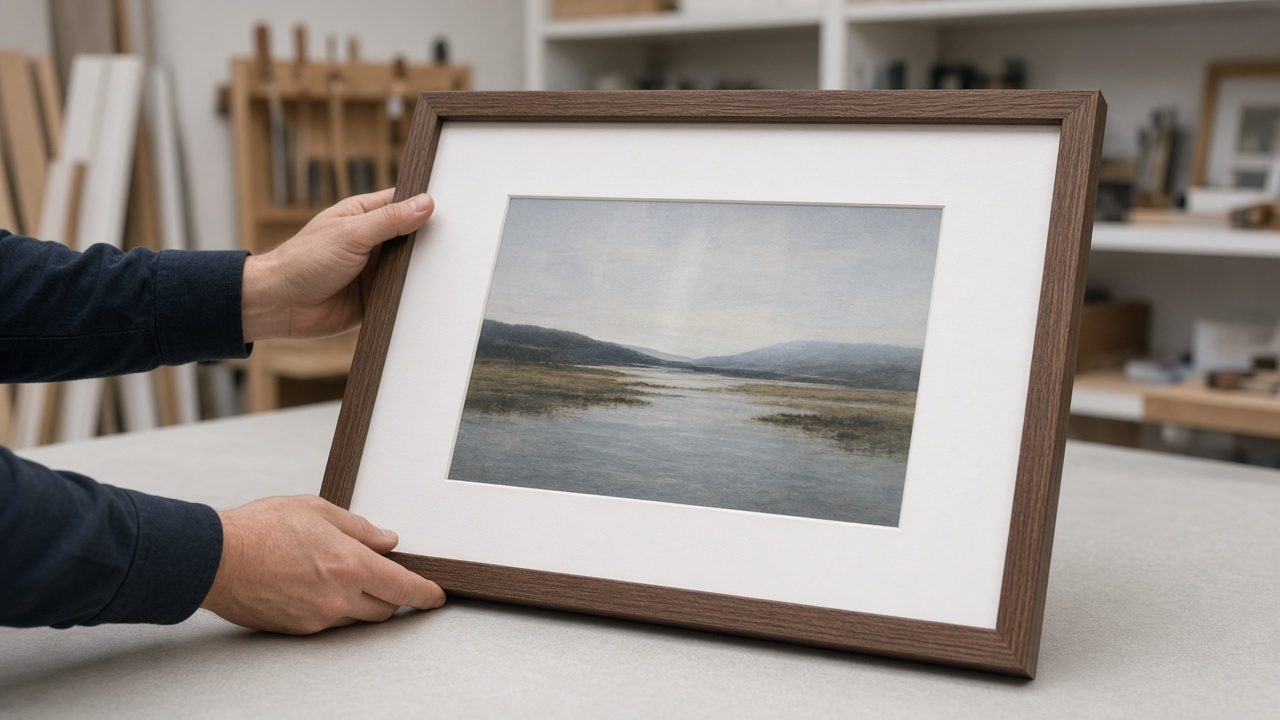
The foundation of any profitable print menu begins with an accurate assessment of your true cost of goods sold. Your cost of goods sold encompasses every direct monetary expenditure required to produce and deliver a finished piece of artwork into your client’s hands.
Begin by selecting a dedicated professional photo lab that works exclusively with professional photographers. Unlike consumer printing kiosks, professional laboratories maintain rigorous daily color calibration, use heavy archival paper stocks, and employ skilled print technicians who inspect each file before it enters the print queue. While professional lab rates are higher than consumer outlets, the superior color fidelity, skin tone accuracy, and physical durability are indispensable for maintaining studio reputation.
Reviewing federal small business financial guidelines from the SBA guidance on managing small business finances emphasizes how tracking unit production costs and gross margins prevents studios from underpricing specialized creative services. In addition to the raw print invoice from your laboratory, you must factor in freight shipping charges, drop-ship fees, boutique presentation packaging, tissue paper, studio ribbon, wax seals, and protective clear sleeves.
Consulting official tax standards from the IRS rules on deducting business expenses and cost of goods sold highlights that physical materials directly tied to customer orders represent inventory and production expenses that reduce taxable business income. Accurately tallying these baseline figures ensures that your subsequent markup calculations rest upon solid empirical ground.
Standard Studio Markup Multipliers for Fine Art Paper
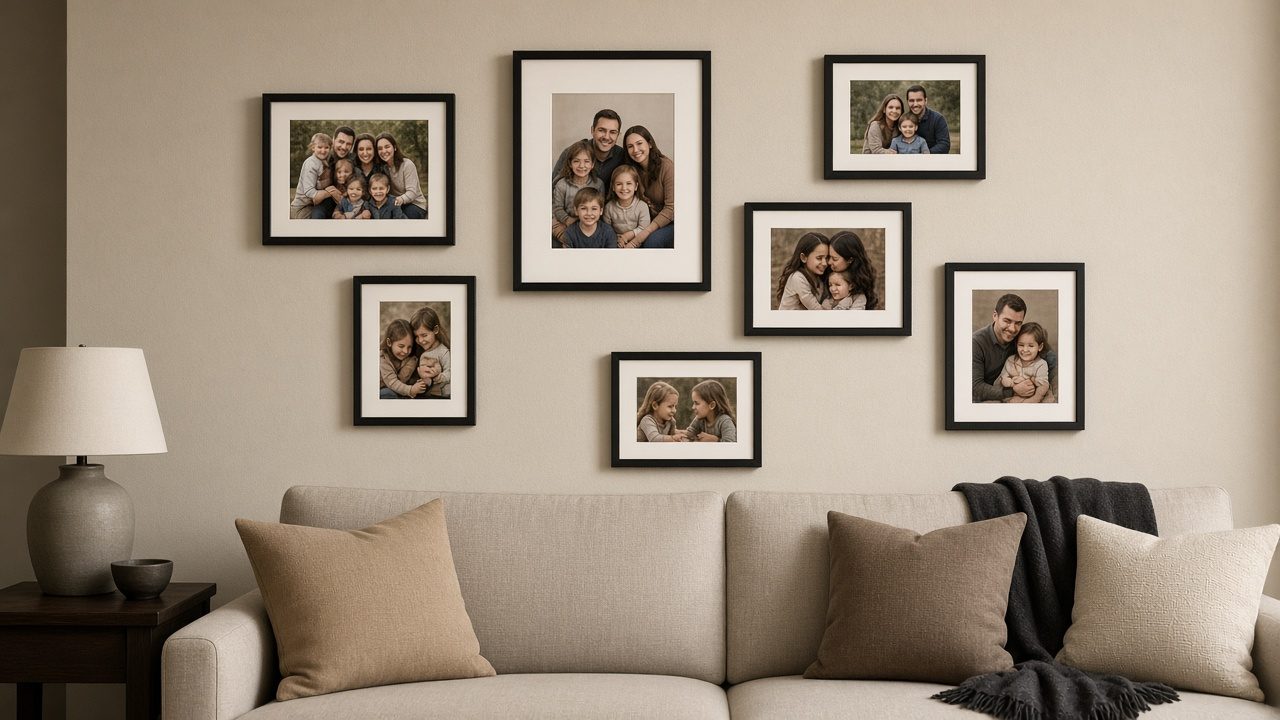
Once you have established your total baseline production cost per size, apply a structured markup multiplier to determine your retail price sheet. In the professional portrait industry, standard markup multipliers generally range between four times and ten times base lab costs, depending on the physical dimensions of the piece.
Smaller gift prints, typically measuring eight-by-ten inches or smaller, require higher markup multipliers of eight to ten times cost. An eight-by-ten print that costs a studio five dollars to print and package should be priced between forty and fifty-five dollars. Because smaller prints require the same administrative ordering effort and file preparation as larger products, applying a high multiplier prevents low-margin transactions from consuming excessive studio hours.
Accounting for Lab Shipping Fees and Packaging Materials
Many novice photographers overlook shipping and packaging when setting rates, resulting in silent profit erosion. If a lab charges fifteen dollars to ship a box of prints to your studio, and your boutique ribbon, rigid portfolio mailers, and branded print boxes cost another twelve dollars per order, these logistical costs must be accounted for inside your base pricing structure or billed as a separate flat-rate fulfillment fee.
For mid-sized artwork ranging from eleven-by-fourteen to sixteen-by-twenty inches, a multiplier of five to six times cost balances healthy profit margins with consumer value perception. A sixteen-by-twenty canvas or fine art velvet paper print costing thirty dollars to manufacture should retail between one hundred fifty and one hundred eighty dollars. Larger statement pieces measuring twenty-four-by-thirty-six inches or larger can utilize a three to four times multiplier because the larger raw dollar margins generate significant gross revenue per unit sold.
Structuring High-Value Wall Art Collections and Packages
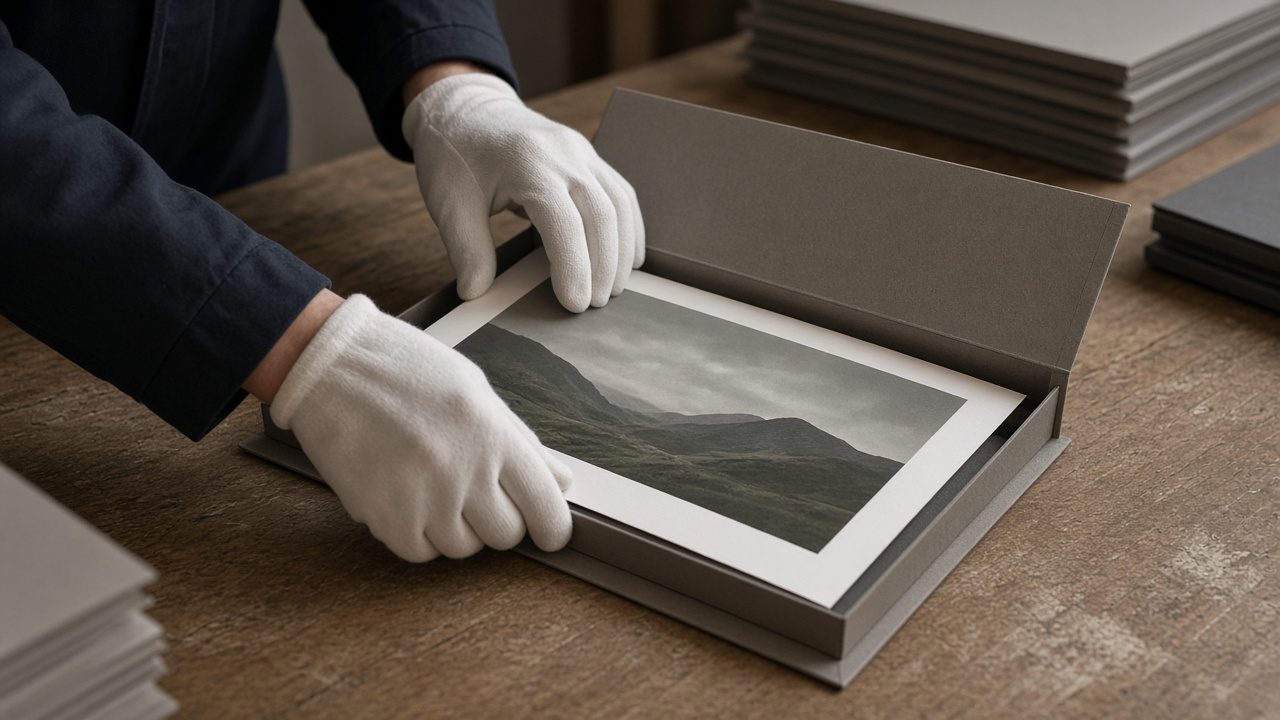
Presenting prints solely through an extensive a la carte price sheet often causes client decision fatigue and encourages minimal ordering. To maximize client satisfaction and studio revenue, structure your product offerings into cohesive wall art collections and curated portrait packages.
Wall collections group multiple complementary framed prints or canvas wraps designed to hang together over a living room sofa, hallway gallery, or bedroom headboard. By illustrating how a twenty-by-thirty centerpiece coordinates with two eleven-by-fourteen accent frames, you provide an intuitive home decor solution rather than selling loose photo paper. Grouping products into finished visual concepts shifts client focus from unit price to total aesthetic value.
Establishing Minimum Order Requirements for Custom Artwork
Implementing a minimum order requirement or minimum product investment creates a predictable floor for your studio income. Many portrait artists establish a minimum print order policy, such as five hundred or seven hundred fifty dollars, which clients agree to prior to reserving their session date. Establishing minimums weeds out price-sensitive consumers and ensures that every booked shoot covers fixed operational costs.
Integrating these package formulas into your studio pricing architecture aligns directly with principles taught in our guide on how to price photography. When clients understand that your studio specializes in finished heirloom artwork rather than temporary digital files, their purchasing mindset shifts toward substantial home investments.
Pricing Strategies for Digital Files and Physical Keepsakes
The modern digital age has conditioned consumers to demand high-resolution digital files for social media sharing and personal archiving. Rather than fighting this consumer trend, savvy photographers use digital files as powerful leverage to sell high-margin physical prints and albums.
A highly effective pricing strategy is the hybrid model, where matching printable digital files are gifted complimentary with the purchase of corresponding wall art or album collections. For example, if a client invests in a sixteen-by-twenty framed canvas or a premium album, they automatically receive the fully retouched high-resolution digital file of each selected image. Clients who only wish to purchase digital files must pay an equivalent premium rate, establishing clear value parity between digital and physical assets.
Guiding Clients Through Wall Art Sizes and Framing Options
Clients frequently underestimate print sizes when visualizing artwork in their homes, mistaking an eight-by-ten print for a wall portrait. During consultation sessions, show clients physical studio samples and digital wall mockup software demonstrating that an eight-by-ten print appears tiny and lost on an empty living room wall. Visual sizing demonstrations guide clients naturally toward selecting twenty-four-by-thirty-six or thirty-by-forty statement pieces.
Utilizing our dedicated photography pricing calculator will allow you to model various packaging combinations and verify that your hourly earnings targets are fully met after factoring in client consultation and framing fulfillment time.
Presenting Physical Artwork During In-Person Ordering Sessions
The method you employ to reveal client images directly impacts your print sales volume. Online proofing galleries with automated shopping carts consistently yield lower average sales because clients view images casually on small smartphone screens without professional guidance.
In contrast, conducting in-person or screen-share sales appointments increases average order values significantly. When you guide clients through a curated slideshow of thirty to forty of their absolute best images, you can observe their emotional reactions and help them select images that tell a compelling visual narrative. Walking clients through frame mouldings, linen album covers, and mat options transforms ordering from a daunting chore into an exciting creative celebration.
Offer three distinct collection tiers, with your middle tier positioned as the most attractive and comprehensive choice. By including a complete album, a primary wall art piece, and digital files in your middle tier, the vast majority of clients will naturally gravitate toward this option. Understanding how to price photography prints with clear mathematical formulas gives you the confidence to lead sales appointments with grace and professional authority.
Frequently Asked Questions
What is the standard markup for professional photographic prints?
Professional portrait photographers commonly apply a markup multiplier between four and eight times their raw laboratory production cost. For smaller gift sizes such as five-by-seven and eight-by-ten prints, markups often reach eight to ten times cost to ensure meaningful dollar margins. Larger statement wall art pieces typically carry a three to four times multiplier to remain competitive while generating substantial gross profit.
Should client print orders include the high-resolution digital files?
Many successful studios provide matching complimentary web-resolution digital files with every purchased physical print while reserving high-resolution printable files for separate purchase or premium collections. Bundling printable digital files directly into high-tier wall art packages incentivizes clients to invest in physical artwork rather than purchasing loose digital images alone. This hybrid model satisfies client desire for social sharing while protecting studio print revenue.
How do professional lab prints differ from consumer drug store prints?
Professional photo laboratories utilize custom calibrated printers, archival pigment inks, and acid-free cotton rag or heavyweight luster papers engineered to resist fading for up to one hundred years. In contrast, consumer discount drugstore printers frequently use uncalibrated machines that introduce green or magenta color casts and unstable dyes that degrade within a decade. Professional labs also provide precision color correction, protective spray coatings, and custom matting options.
What is a sustainable minimum order requirement for portrait artwork?
Setting a minimum order requirement between five hundred and one thousand dollars ensures that every scheduled portrait session yields predictable gross revenue covering studio overhead and fulfillment time. Minimum order thresholds prevent clients from booking a session and subsequently purchasing only a single twenty-dollar desk print. Clear minimum investment policies attract committed clients who genuinely value tangible family heirlooms.