Determining a fair commercial photography price requires separating your creative day rate from production expenses and calculating licensing fees based on client distribution, media placement, and usage duration. Unlike retail portrait sessions where clients purchase finished personal prints, commercial photography contracts grant corporate entities legal permission to reproduce images for advertising campaigns, packaging designs, websites, and promotional collateral.
Many emerging photographers undercharge for commercial assignments because they mistakenly quote flat retail portrait rates for corporate projects. If an enterprise business uses your photograph on national retail billboards, magazine spreads, or international digital advertisements, that single image generates substantial financial value for the brand. To build a sustainable commercial business, you must structure estimates using the two-part pricing model: creative production fees combined with legal image licensing.
Consulting our foundational photography pricing guide helps ensure your day rates align with current commercial industry standards. When you present polished estimates that clearly itemize creative labor, equipment rentals, and usage parameters, corporate marketing directors view you as an experienced industry professional worthy of substantial creative budgets.
This comprehensive guide explains how to calculate creative day rates, bill for specialized production crew members, determine commercial usage multipliers, and draft airtight client estimates. Whether you specialize in corporate branding, industrial facilities, or lifestyle advertising, mastering these commercial rate structures will transform your studio revenue.
Separating Creative Labor Fees From Production Expenses
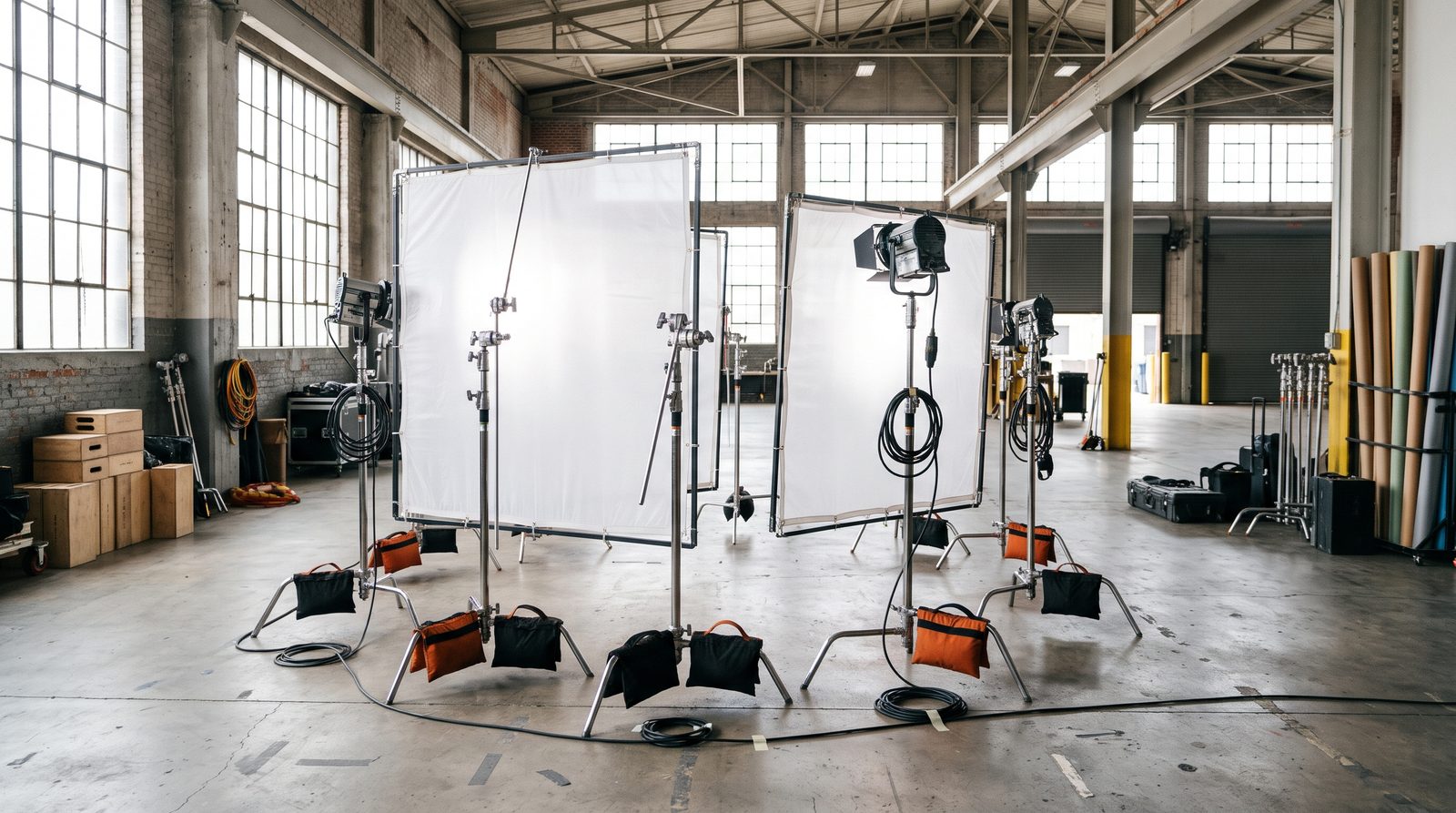
The foundational principle of commercial estimating is separating creative labor from logistical production expenditures. Your creative fee covers your artistic vision, technical expertise, pre-production planning, and on-set direction during the shoot. Production expenses encompass the real monetary costs required to execute the production safely and efficiently.
Production expenses include studio rental fees, camera equipment rentals, specialized lighting modifiers, grip trucks, background rentals, wardrobe styling, catering for on-set crew, travel mileage, and parking permits. Itemizing these items transparently prevents unexpected expenses from eroding your creative fee. Commercial clients expect to see direct production costs broken out clearly on project estimates.
Consulting official tax standards from the IRS regulations on deducting business expenses and commercial equipment highlights that capital expenditures for camera gear, studio equipment, and production logistics represent legitimate business operating expenses. Tracking every line-item expense ensures that your project bids cover all operational overhead while preserving taxable income deductions.
When presenting estimates to advertising agencies or corporate art buyers, always request an advance production deposit covering one hundred percent of estimated out-of-pocket production costs before commencing shoot preparation. Securing advance deposits ensures you never float substantial equipment rental or location fees on personal studio credit lines.
Understanding Image Licensing Rights and Commercial Usage Terms
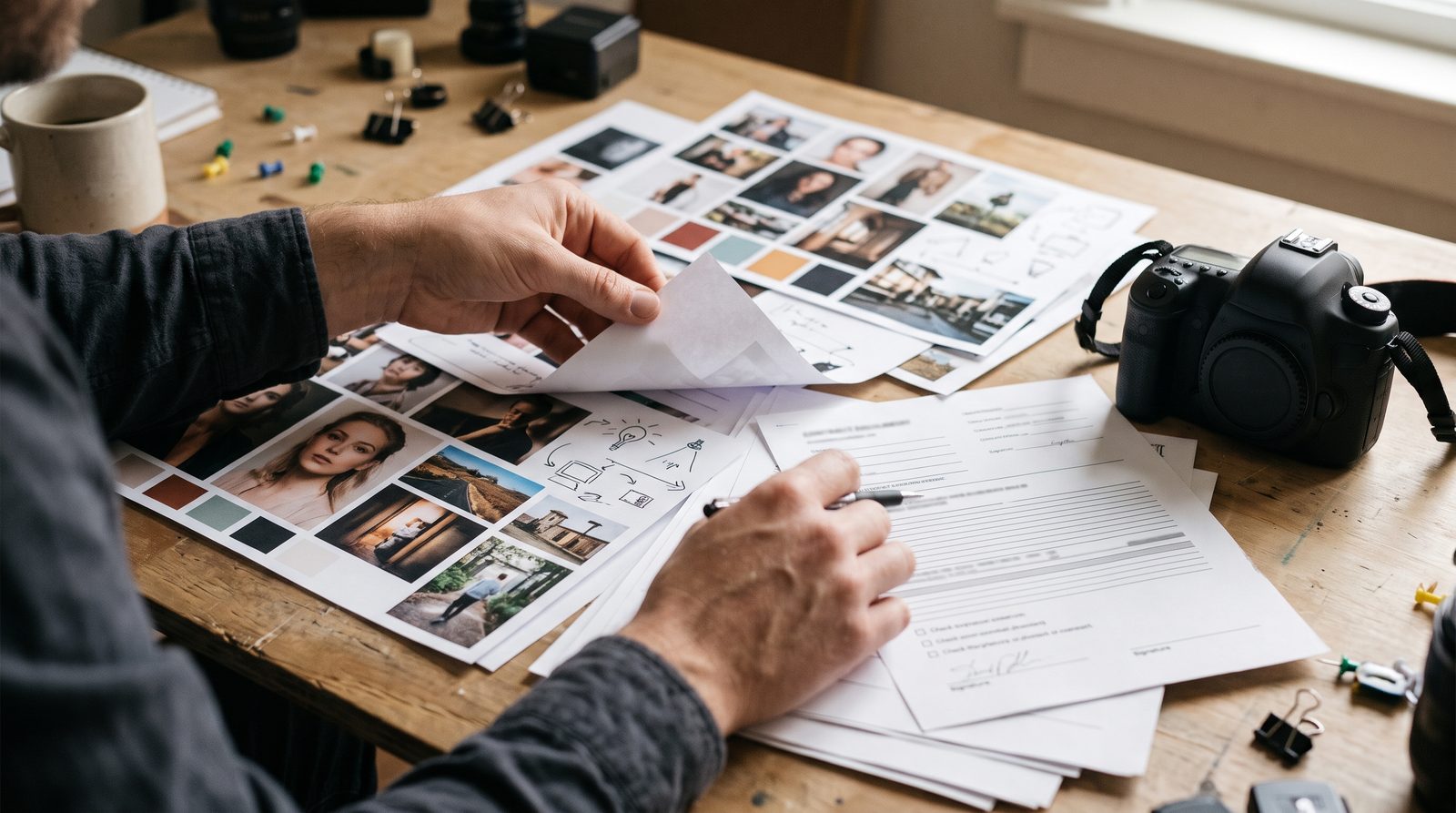
In the commercial photography market, clients do not buy image copyright; they purchase a non-exclusive license to use specific images for designated commercial purposes. Granting full copyright transfers or unlimited perpetual buyouts should command substantial premium fees, often tripling or quadrupling the standard project cost.
Your license agreement should explicitly define four primary parameters: media placement, geographic distribution territory, duration of usage, and exclusivity. A regional retail boutique using photos on local social media channels for one year requires a modest licensing fee. In contrast, a global beverage brand using images on national television broadcasts and point-of-sale displays requires a high-tier corporate license.
Defining Media Placement, Geographic Distribution, and Duration
Media placement specifies exactly where images may appear, such as digital online channels, social media ads, printed brochures, trade show booths, or national packaging. Geographic scope identifies whether distribution is local, regional, national, or worldwide. Duration defines the active licensing window, typically ranging from one to three years.
Reviewing legal standards from the U.S. Copyright Office registration rules for commercial photographs reinforces that registering your visual artwork before or shortly after publication establishes legal presumptions of ownership and statutory damages eligibility. Registering your commercial collections gives your studio legal leverage to enforce licensing parameters when corporate clients exceed agreed usage boundaries.
Differentiating Advertising Campaigns From Organic Editorial Use
There is a substantial difference between paid advertising usage and organic editorial display. Paid advertising—where a brand spends media money to place your image in front of consumers via print ads, sponsored social media campaigns, or digital banners—delivers measurable commercial returns and commands substantial licensing fees. Organic editorial usage on a company’s internal intranet or standard blog post warrants lower licensing rates.
Pairing these licensing principles with recommendations from our foundational tutorial on how to price photography helps you structure scalable package tiers that grow alongside client commercial ambitions.
Day Rates and Half-Day Fee Structures for Corporate Shoots
Commercial assignments are typically quoted as full-day rates or half-day rates. A standard commercial day rate covers up to eight or ten consecutive hours of shooting, including equipment setup, lighting tests, and tear-down. Half-day rates generally cover up to four or five hours and are traditionally priced at sixty-five to seventy-five percent of the full-day rate rather than exactly half.
Pricing half-days higher than fifty percent reflects the reality that a half-day assignment prevents you from booking another commercial client on that same calendar date. Furthermore, prep work, gear testing, and client communication require the same administrative time regardless of whether shooting takes four hours or eight hours.
Establishing Minimum Billable Production Blocks for Commercial Clients
Professional commercial photographers generally maintain a half-day minimum for any on-location or studio commercial project. Emerging commercial shooters often start with day rates between one thousand and two thousand dollars, while experienced national advertising photographers command creative day rates of three thousand five hundred to ten thousand dollars or more.
Utilizing our standardized photography quote template enables you to outline your creative fees, production expenses, and overtime provisions in an executive format that corporate purchasing departments understand and approve quickly.
Billing for Production Crew, Studio Rentals, and Equipment Gear
Executing high-stakes commercial shoots requires reliable on-set support. Depending on project scale, you may need to hire first photography assistants, digital technicians, hair and makeup stylists, wardrobe stylists, and prop coordinators. Each crew member must be budgeted as a separate production line item.
Digital technicians, who manage tethered capture stations, verify critical focus, and maintain redundant hard drive backups in real time, command day rates between five hundred and eight hundred dollars. First assistants, who handle strobe modifiers, C-stands, and camera changes, typically earn between three hundred fifty and six hundred dollars per day. Client billing should include an administrative markup of ten to twenty percent on crew labor to cover payroll coordination and insurance liability.
Equipment rental fees should also be billed to the client, even if you own the camera gear personally. Renting your professional camera bodies, high-speed lenses, and strobe lighting systems to the project generates necessary revenue to cover ongoing gear depreciation, insurance, and sensor cleanings.
Post-Production Retouching Fees and Final Asset Delivery
Never bundle unlimited post-production retouching into your initial commercial day rate. Commercial post-production requires meticulous pixel-level cleanup, skin tone balancing, color matching to corporate brand swatches, and background extension. These tasks consume significant studio hours and should be billed at an hourly rate or per-image fee.
Standard commercial retouching rates range between seventy-five and one hundred fifty dollars per hour, or fifty to two hundred dollars per finished image, depending on compositing complexity. Clarify in your estimate that the creative day rate includes basic raw culling and global color correction, while advanced compositing and skin retouching are billed separately based on final client image selections.
Structuring an accurate commercial photography price ensures that your studio covers specialized production expenses while capturing fair compensation for client image usage rights.
Frequently Asked Questions
How do photographers calculate commercial image licensing fees?
Commercial licensing fees are calculated based on media placement, geographic distribution, duration of use, and target audience size. Photographers evaluate whether the images will appear on regional digital ads, national print billboards, or worldwide packaging. Standard licensing multipliers often range from thirty percent of the creative day rate for local digital use up to three hundred percent or more for national broadcast campaigns.
Why do commercial shoots bill creative fees separately from production costs?
Commercial shoots separate creative fees from production costs because production expenditures vary widely depending on location logistics, crew requirements, and equipment rentals. Itemizing line items such as studio hire, lighting gear, digital technicians, and styling assistants ensures that out-of-pocket costs do not reduce photographer net earnings. This transparency gives commercial clients clear oversight of actual production overhead.
What is the standard day rate for emerging commercial photographers?
Emerging commercial photographers typically charge day rates between one thousand and two thousand five hundred dollars for creative labor. Mid-tier commercial photographers working with regional corporate brands generally command day rates between three thousand and five thousand dollars. Highly specialized advertising photographers working on national ad campaigns frequently charge day rates exceeding eight thousand dollars plus licensing.
Should commercial photographers charge overtime rates for extended shooting days?
Yes, commercial contracts should always include explicit overtime provisions for production exceeding the agreed eight or ten hour shoot window. Standard overtime is billed at one and a half times the prorated hourly rate for hours eleven and twelve, and double time for hours thirteen and beyond. Including clear overtime policies protects crew members and ensures fair payment when shoots run late.