A freelance photography pricing guide gives independent photographers, creative solopreneurs, and part-time artists practical rate calculation formulas, commercial day rate models, and self-employment financial systems. Establishing profitable rates requires balancing billable shooting hours against administrative overhead, self-employment taxes, equipment amortization, health care benefits, and business operating reserves.
Transitioning into freelance photography offers tremendous creative freedom, diverse client assignments, and the independence to build a self-directed career. Freelance artists work across a wide spectrum of photographic disciplines, from commercial editorial portraits and lifestyle brand campaigns to event coverage, real estate, and product photography. However, the absence of an employer paycheck means independent operators must take complete responsibility for studio profitability.
A frequent mistake made by new freelance photographers is pricing services based solely on ground-level hourly shoot times, mistakenly treating a freelance rate like an employee wage. Utilizing our core photography pricing guide ensures independent creatives calculate rates that reflect the true cost of running a sustainable small business enterprise.
Studio Cost of Doing Business and Freelance Ratio Realities
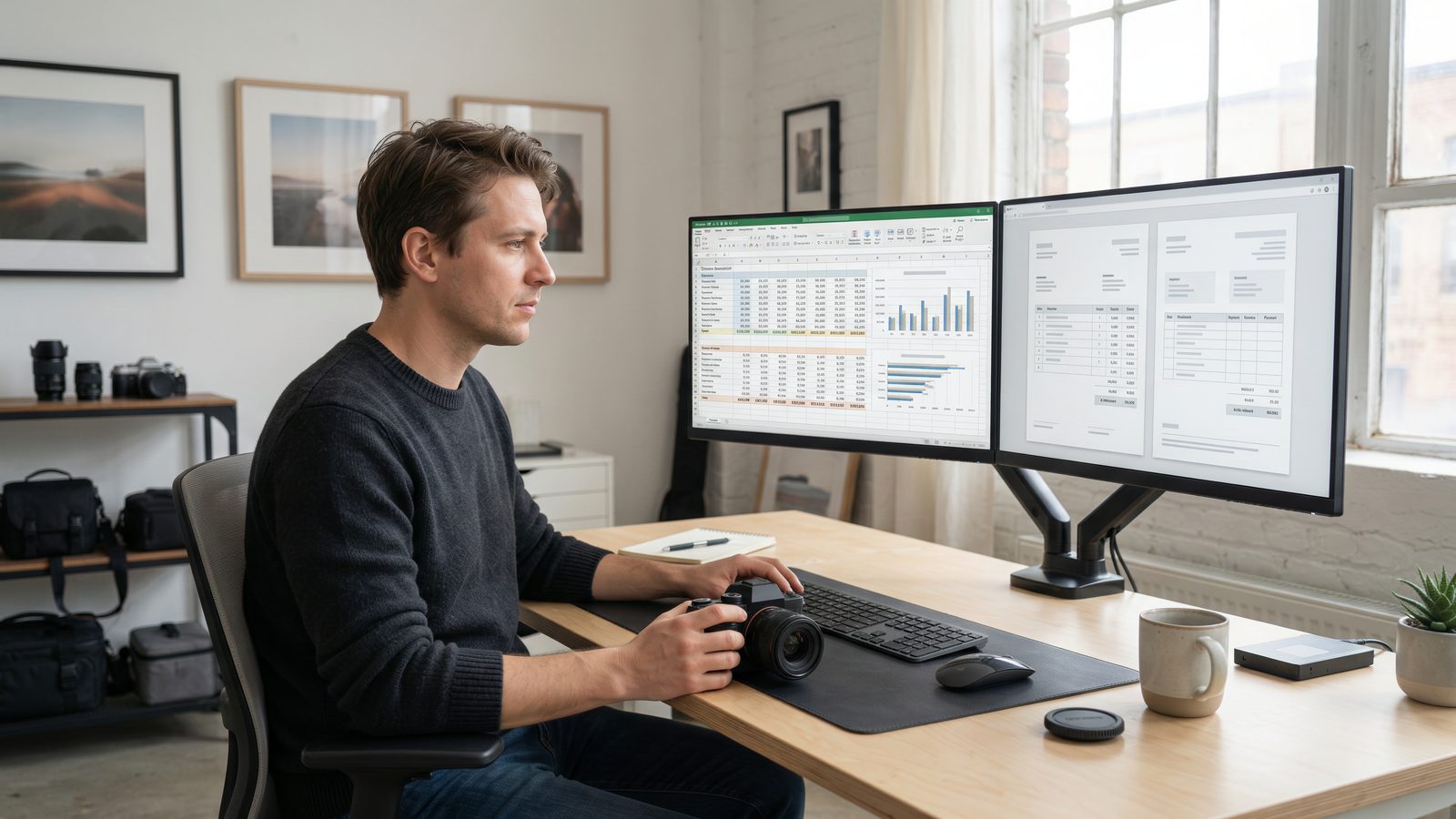
The foundation of every sustainable freelance rate is an accurate cost of doing business calculation. Operating as an independent contractor introduces substantial fixed overhead expenses that exist regardless of how many clients you photograph in a given month. These expenses include studio rent, professional equipment insurance, software subscriptions, web hosting, marketing, professional memberships, and legal services.
In addition to business expenses, freelance operators must generate sufficient net income to cover personal living expenses, retirement contributions, and independent health insurance premiums. Crucially, freelancers must also account for self-employment taxes, setting aside twenty-five to thirty percent of net revenue to satisfy federal, state, and local tax liabilities.
Understanding self-employment tax obligations and quarterly estimated tax payments aligns with mandatory small business compliance resources provided by the Internal Revenue Service starting a business portal. Registering your business structure and tracking tax obligations prevents unexpected year-end penalties.
Balancing working capital, tax savings accounts, and operational budgets aligns with sound financial management principles detailed in the Small Business Administration business financial management guide. Disciplined bookkeeping ensures predictable cash flow across slow seasonal months.
Freelance Billing Models: Hourly, Day Rates, and Project Fees
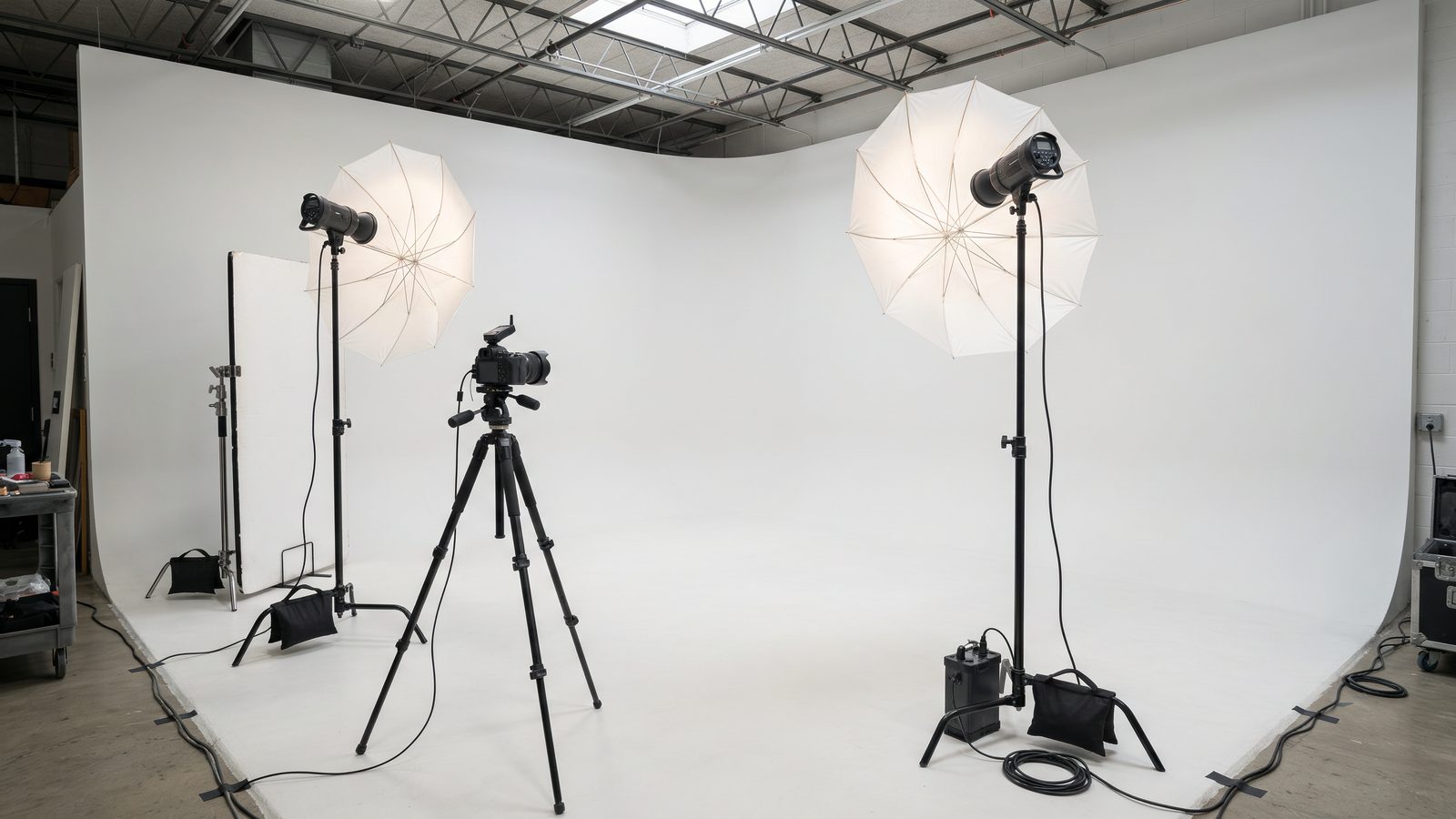
Independent photographers utilize three primary billing structures depending on the genre of photography and client type: hourly rates, day rates, and flat project packages. Selecting the appropriate billing model ensures that your time and creative expertise are fairly compensated across diverse assignments.
Hourly billing is appropriate for short local assignments, such as corporate headshot sessions, brief ribbon-cutting events, or editorial portrait assignments requiring less than three hours on-site. When quoting hourly rates, always establish a minimum booking commitment (such as a two-hour minimum) to justify travel and mobilization time.
| Freelance Photography Genre | Billing Structure | Deliverable Scope | Standard Rate Benchmark |
|---|---|---|---|
| Editorial and Corporate Headshots | Hourly (2-Hour Min) | 5 to 10 Retouched Images/Person | $150 to $300/hour |
| Commercial Brand Production | Half-Day / Full-Day Rate | Full Raw Capture + Basic Edits | $800 to $2,500/day |
| Event and Conference Coverage | Hourly or Day Package | Curated Gallery (50+ Imgs/Hr) | $175 to $350/hour |
| E-Commerce Product Stills | Per-Image Tier (20 Img Min) | Clean White Background Cutouts | $25 to $65/image |
Day Rates and Half-Day Commercial Package Structures
In commercial, advertising, and corporate sectors, day rates represent the industry standard billing method. A full-day rate typically covers up to eight hours on-site, while a half-day rate covers up to four hours. Day rates protect studio cash flow by preventing clients from booking small fractional hours that block entire days on your calendar. Reviewing our foundational tutorial on how to price photography helps freelance photographers calculate sustainable hourly and day rates based on annual income goals.
The 30-Percent Rule: Estimating True Billable Production Hours
A common pitfall for emerging freelancers is assuming forty billable client shooting hours per week. In reality, freelance photographers spend only twenty-five to thirty-five percent of their working hours behind the camera. The remaining sixty-five to seventy-five percent is consumed by non-billable administrative tasks, including lead generation, marketing, client emails, proposal drafting, invoicing, gear maintenance, and image editing. If your annual income goal is sixty thousand dollars and you can realistically shoot five hundred hours per year, your baseline hourly billing rate must equal one hundred twenty dollars per billable hour simply to break even.
Commercial Photography Licensing and Image Copyright Protections
Independent photographers must maintain a strict distinction between creative labor fees and intellectual property licensing rights. When you photograph an assignment, you own the federal copyright to the resulting images unless an executed contract explicitly designates the project as a formal work-made-for-hire agreement.
When serving commercial clients, structure invoices with separate line items for creative shooting fees and usage licenses. For instance, an editorial magazine shoot might include a standard creative day rate paired with limited one-time editorial print licensing. If the client later decides to use the images for national advertising billboards or packaging, bill an additional commercial licensing fee reflecting the expanded commercial value.
Utilizing Automated Rate Calculators for Freelance Studio Budgets
Eliminate emotional rate guessing by utilizing standardized financial formulas. Calculating your annual overhead, tax obligations, desired net income, and billable days provides objective rate minimums that you can defend with certainty during client negotiations. Walking through our interactive photography pricing calculator assists independent photographers in determining accurate rate sheets tailored to their regional market conditions.
Establishing Overtime and Rush Delivery Policies
Commercial shoots routinely experience schedule delays caused by weather, client wardrobe changes, or executive availability. Studio agreements should explicitly define standard shooting hours and state that any production extending beyond agreed times incurs overtime billing at one-and-a-half to two times the standard hourly rate. Furthermore, charge a twenty-five to fifty percent surcharge for rush post-production turnarounds requiring overnight or weekend editing.
Equipment Depreciation Reserves and Backup Camera Investments
Professional camera bodies, high-speed prime lenses, strobe lights, and workstation computers suffer steady physical wear and electronic obsolescence. Full-frame camera shutters possess finite mechanical lifespans, typically rated for two hundred thousand to four hundred thousand actuations. A busy freelance photographer capturing thirty thousand exposures annually will deplete a camera shutter within five to seven years.
To avoid sudden catastrophic equipment expenses, allocate five to ten percent of every gross client invoice into a dedicated equipment replacement sinking fund. Maintaining redundant backup camera bodies, duplicate memory card slots, and portable battery packs is mandatory for professional client assignments. When gear inevitably malfunctions on-site, a seamless transition to backup equipment protects client deliverables and preserves your professional reputation.
Client Invoicing Contracts, Retainers, and Cash Flow Guide
Operating a sustainable freelance photography business requires strict payment terms. Never conduct client shoots based on verbal agreements or casual handshake promises. Require a signed service agreement and a non-refundable booking retainer—typically thirty to fifty percent—to secure dates on your calendar.
For corporate clients operating under net-30 invoicing terms, run credit checks or request advance deposits for third-party production expenses (such as studio rent, models, and assistants). Establishing structured payment milestones shields your business from unpaid invoices and maintains healthy cash reserves.
Following the principles outlined in this freelance photography pricing guide enables independent photographers to price with authority, manage business finances responsibly, and build a rewarding commercial career.
Frequently Asked Questions
What is the average hourly rate for a freelance photographer?
Freelance photography hourly rates typically range from $75 to $150 per hour for emerging part-time photographers, and $150 to $350 per hour for established commercial and portrait professionals. Commercial day rates generally range from $800 to $2,500.
How many hours per week does a freelance photographer actually spend shooting?
Most freelance photographers spend only 10 to 15 hours per week actively shooting client work. The remaining 25 to 30 hours are dedicated to non-billable business administration, including marketing, client communication, editing, invoicing, and accounting.
What percentage of freelance photography income should be saved for taxes?
Freelance photographers should set aside 25 to 30 percent of net revenue into a dedicated business tax savings account. This covers federal self-employment taxes (Social Security and Medicare) along with federal and state income tax liabilities.
What is the difference between a freelance day rate and an hourly rate?
An hourly rate bills for exact shooting time, usually with a two-hour minimum. A day rate covers up to eight hours on-site as a flat fee, protecting the studio from client cancellations or partial-day bookings that prevent taking other full-day jobs.