Learning how to start a photography business requires transforming an artistic craft into an organized, legally compliant commercial enterprise. Many aspiring photographers possess natural talent behind the lens but feel overwhelmed by business licenses, client contracts, insurance policies, and accounting requirements. While taking stunning photographs is the creative heart of the business, operational discipline determines whether your studio thrives or struggles.
Launching a client-facing creative venture involves establishing clear systems before scheduling your first paid assignment. Consulting our foundational photography pricing guide ensures that you calculate equipment depreciation, taxes, and operational expenses right from the start. Setting realistic session rates early prevents the common mistake of building a large client base at unsustainable prices.
Whether you dream of photographing destination weddings, studio portraits, architectural properties, or newborn infants, the foundational startup steps follow a reliable roadmap. By methodically addressing legal setup, gear acquisition, branding, and portfolio development, you establish a solid operational framework that protects your assets and inspires client confidence.
This comprehensive guide details the essential milestones required to launch your new venture. You will discover how to handle legal formalities, organize an efficient workflow, and attract your very first paying clients with professional poise.
Legal Formalities and Choosing Your Business Structure
The first priority when launching your commercial enterprise is establishing legal legitimacy and protecting your personal assets. Many creative entrepreneurs begin as sole proprietors by default, but establishing a Limited Liability Company (LLC) provides vital liability separation between your personal savings and business liabilities. Consult official federal resources from the Internal Revenue Service small business portal to obtain an Employer Identification Number (EIN) and understand federal business tax obligations.
In addition to federal registration, you must register your business name with your state commerce department and check municipal licensing requirements. The U.S. Small Business Administration business registration guide provides state-by-state instructions for registering business entities and securing local vendor permits. If you plan to operate under a creative studio brand rather than your personal legal name, register a formal DBA (Doing Business As) filing with your county clerk.
Securing commercial photography liability insurance is non-negotiable before shooting on location. Most public venues, historical parks, and wedding facilities require photographers to provide a Certificate of Insurance carrying a minimum of one million dollars in general liability coverage. Commercial insurance also covers valuable camera bodies, specialized lenses, and lighting equipment against accidental damage, theft, or transit loss.
Finally, open a dedicated commercial bank account and secure business credit lines. Keeping your client revenue and equipment expenses strictly isolated from personal finances simplifies bookkeeping, ensures tax compliance, and maintains the legal liability shield provided by your business structure.
Essential Camera Gear to Start a Studio from Home
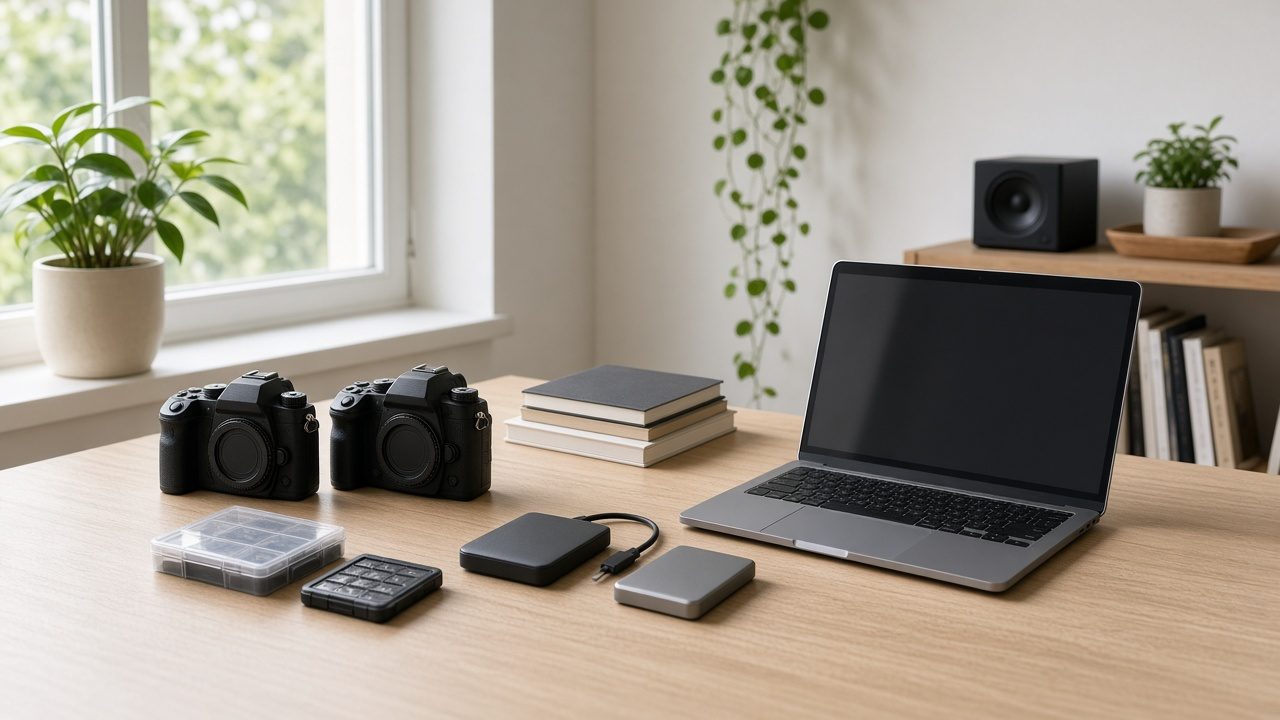
When launching a commercial studio from home, you do not need to purchase every expensive camera lens and lighting modifier on the market. Smart equipment procurement focuses on versatile, professional-grade core essentials that deliver dependable client results in diverse lighting conditions.
Camera Bodies and Prime Lenses for Session Work
A professional kit requires two reliable camera bodies featuring dual memory card slots for instant backup redundancy during client shoots. Pairing your camera bodies with sharp prime lenses (such as a 35mm, 50mm, or 85mm) or a versatile 24-70mm f/2.8 zoom lens gives you the optical versatility needed for intimate portraits and broader group shots. Investing in sturdy light stands, a portable off-camera flash, and softbox diffusers prepares you for poorly lit indoor venues.
Editing Hardware and Secure File Storage Systems
Operating efficiently from home also requires a capable editing computer equipped with a color-calibrated display, high-speed external storage drives, and an automated cloud backup system. Implementing a 3-2-1 backup strategy—three copies of client files, stored on two different media types, with one copy off-site—protects your irreplaceable raw image files against catastrophic drive failure.
Studio Software Subscriptions and Workflow Tools
Software subscriptions form the digital backbone of a modern home studio. You will need post-processing software such as Adobe Lightroom and Photoshop for culling and color grading, client gallery software for digital proof delivery, and a Customer Relationship Management (CRM) platform to automate contracts, invoices, and scheduling questionnaires.
Client Contracts and Copyright Protections for Your Photography Business

Understanding how to establish client agreements safely requires understanding the legal contracts that govern every client relationship. Never photograph a client or accept a deposit without a written agreement signed by both parties. A well-drafted photography agreement outlines the scope of creative services, session duration, payment schedules, cancellation policies, delivery timelines, and model release permissions.
Intellectual property protection is another vital pillar of professional photography operations. Under federal copyright statutes explained by the U.S. Copyright Office photography portal, photographers legally own the copyright to the images they create from the moment of shutter capture unless explicitly transferred through a signed work-for-hire contract. Educating your clients about the difference between image copyright and personal print licensing prevents unauthorized commercial usage of your portrait work.
Your contract must clearly specify what print and digital rights the client receives. Most consumer portrait agreements grant a personal print release allowing clients to print files for personal display and social media sharing while prohibiting commercial resale, commercial advertising use, or third-party alterations without prior studio consent.
Including clear policies regarding inclement weather, illness, and late arrivals protects your schedule and prevents awkward disputes. When client expectations are documented in writing, you create a professional foundation that safeguards both your business and your client peace of mind.
Building a Standout Portfolio with Limited Initial Experience
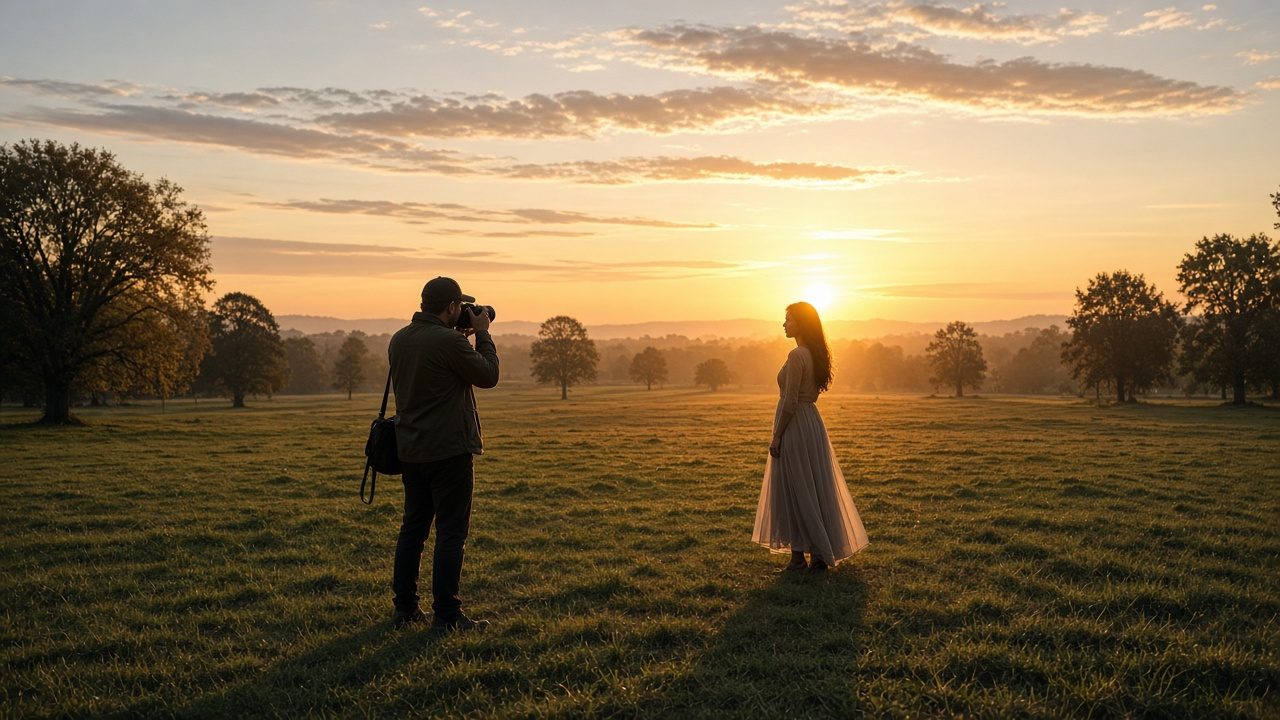
One of the most intimidating challenges beginners encounter is launching a studio with limited initial experience and an empty portfolio. Potential clients want to view proven examples of your photographic style before hiring you, yet securing paying clients requires existing portfolio imagery.
Overcoming this chicken-and-egg hurdle requires organizing strategic portfolio building sessions. Reach out to friends, family members, or local creatives to coordinate styled practice shoots in locations that match your desired client aesthetic. Treat these styled shoots with the same professionalism and rigor as paid assignments, practicing client posing guidance, location scouting, and time management.
When building an initial portfolio, focus on quality over sheer quantity. Curate your website portfolio ruthlessly, displaying only your top ten to fifteen strongest images in your chosen genre. Presenting a small collection of cohesive, beautifully composed images positions you as a focused specialist far more effectively than showcasing a disorganized gallery of diverse, inconsistent snapshots.
Actively seek opportunities to second-shoot or assist established local photographers during weddings and commercial productions. Assisting experienced mentors exposes you to real-time client communication, high-pressure problem solving, and professional pacing without the full burden of primary liability.
Marketing Strategies to Expand Your Photography Business

Once your legal foundation, equipment, and portfolio are established, your focus shifts toward active client acquisition. Developing a clean, mobile-optimized website is essential for showcasing your portfolio, publishing client testimonials, and capturing inquiry contact details.
Claim and optimize your Google Business Profile to attract local search traffic from clients searching for portrait and event photographers in your community. Populate your profile with verified studio hours, high-resolution sample photos, accurate service categories, and links directly to your website booking page. Encourage satisfied portfolio models to leave detailed reviews highlighting your professionalism, friendliness, and prompt gallery delivery.
Network actively with complementary local wedding and event vendors, such as floral designers, event planners, makeup artists, and venue coordinators. Sharing styled shoot imagery with vendor partners provides them with valuable marketing content while opening reciprocal client referral relationships that generate qualified leads for years to come.
Mastering how to start a photography business is a rewarding journey that rewards consistency, patience, and professional discipline. When you build your creative enterprise with clear operational systems and pricing transparency, you establish a reputable studio that stands out in any market.
Frequently Asked Questions
Do I need an LLC to start a photography business?
While you can legally operate as a sole proprietorship, establishing a Limited Liability Company provides vital protection by separating your personal assets from business liabilities. An LLC also allows you to obtain an Employer Identification Number from the IRS and open a dedicated commercial bank account. This formal structure strengthens your professional credibility with corporate clients and commercial venues.
What essential camera gear do I need to start shooting clients?
A dependable professional setup requires two camera bodies featuring dual memory card slots for instant backup redundancy during client sessions. You should pair these camera bodies with versatile prime lenses or a fast twenty-four to seventy millimeter zoom lens, along with a portable flash and softbox diffusers. Sturdy light stands and dependable batteries ensure you can handle varying lighting conditions with confidence.
Do clients own the copyright to the photos I take?
Under federal copyright law, photographers automatically retain legal copyright ownership of the images they create from the moment of capture. Client contracts typically grant a personal print release that permits personal printing and social media sharing while prohibiting commercial resale or third-party advertising. Clear contract language ensures clients understand their usage rights while protecting your intellectual property.
How do I build a photography portfolio with no professional experience?
You can build a compelling portfolio by organizing styled practice sessions with friends, family members, or local creatives in your chosen genre. Focus on curating only your top ten to fifteen strongest images on your website rather than displaying dozens of inconsistent snapshots. You can also gain valuable real-world experience and professional mentorship by working as a second shooter for established local photographers.