A portrait photography pricing guide provides professional portraiture artists, emerging studio owners, and freelance photographers with structured rate formulas, session fee models, and profitable package tiers. Establishing sustainable rates requires balancing direct shooting hours with behind-the-scenes post-production labor, expensive equipment maintenance, studio rent, and marketing overhead.
Many new portrait artists struggle when establishing their rate sheets, often charging arbitrary figures based on what local competitors advertise. While reviewing competitor rates offers basic market awareness, it fails to account for your individual cost of doing business, personal financial needs, or target sales volume. Without a methodical pricing structure, photographers quickly find themselves working eighty hours per week while earning less than minimum wage after factoring in camera investments and studio utilities.
By transitioning from reactive guessing to intentional rate calculation, you build a resilient creative business that delivers exceptional client experiences while ensuring long-term profitability. Studying our comprehensive photography pricing guide provides the essential foundation needed to calculate annual overhead and determine sustainable hourly earnings across all portrait genres.
Fundamental Cost Factors in Portrait Studio Sessions
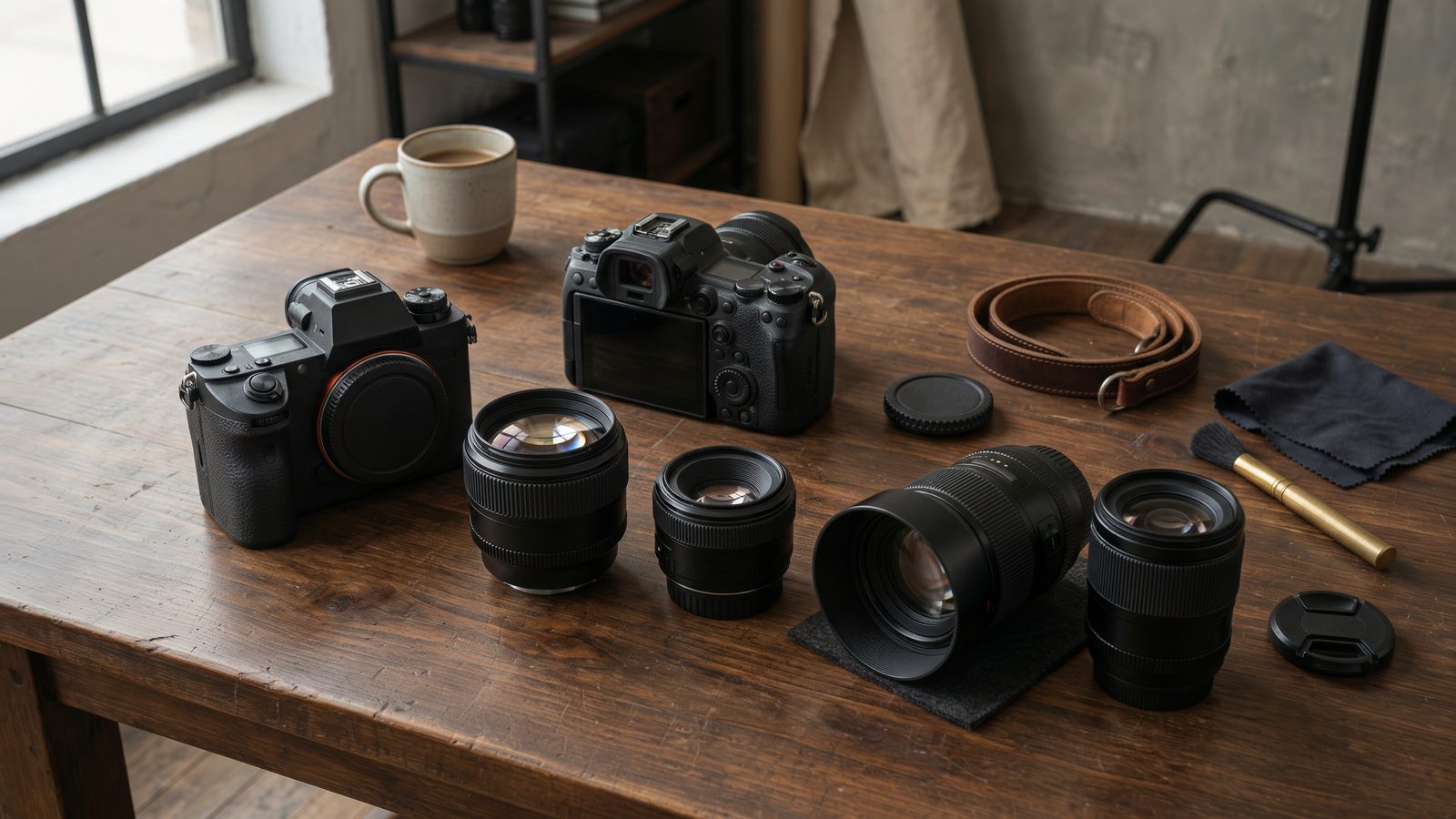
Setting sustainable portrait session rates begins with an accurate inventory of your fixed and variable operational expenses. Fixed costs recur regardless of whether you photograph one client or thirty clients in a given month. These include studio commercial lease payments, business liability insurance, website hosting, software subscriptions for image culling and editing, and equipment depreciation. Professional cameras and prime lenses endure substantial shutter wear and tear, necessitating routine maintenance, sensor cleanings, and regular capital replacements every few years.
Variable costs fluctuate directly with each booked session. Common variable expenses include travel fuel, studio prop purchases, backdrop paper rolls, client refreshments, lab printing fees, packaging supplies, and assistant compensation. Failing to itemize these per-session expenditures causes profit margins to erode rapidly, especially on lower-tier portrait bookings.
Federal guidance from the Small Business Administration startup expense calculations highlights the critical importance of separating initial capital equipment investments from recurring operational overhead. Tracking these line items monthly allows portrait photographers to calculate their exact cost of doing business per calendar day.
In addition to physical overhead, self-employed creatives must calculate self-employment tax liabilities and retirement savings contributions. Consulting the IRS guidance on deducting business expenses ensures that legitimate studio expenditures—such as mileage, studio depreciation, and educational workshops—are appropriately deducted, preserving more of your net revenue.
Hourly Billing Versus Flat Package Pricing Models

Portrait photographers generally choose between charging hourly creative fees or offering bundled flat-rate session collections. Hourly billing works well for corporate headshot sessions, commercial branding assignments, or high-volume commercial events where the final scope of work remains unpredictable. Hourly rates for established portraiture typically range from one hundred fifty to four hundred dollars per shooting hour, with additional fees billed for post-production retouching.
However, flat-rate package pricing remains the preferred model for consumer portrait sessions, including family portraits, individual creative headshots, and personal milestones. Flat collections provide clarity for consumers, eliminating anxiety about unpredictable hourly overages while allowing photographers to bundle session time with high-value digital files and fine art prints. Packages also facilitate value-based pricing, allowing you to charge based on the emotional and artistic value delivered rather than mere minutes spent on location.
| Portrait Tier | Duration | Image Deliverables | Typical Rate Range |
|---|---|---|---|
| Standard Headshot Session | 30 to 45 Minutes | 3 Retouched Digital Files | $175 to $350 |
| Full Individual Portrait | 60 to 90 Minutes | 10 to 15 Edited Images | $350 to $700 |
| Family & Group Milestone | 90 to 120 Minutes | 20 to 30 Finished Files | $500 to $1,100 |
| Luxury Heirloom Collection | Up to 3 Hours | Full Digital Gallery & Album | $1,200 to $2,500+ |
Deciding How Much to Charge for Portrait Sessions
To establish how much to charge for portrait sessions, divide your target annual net income plus total business overhead by your projected billable session count. If your annual overhead and desired salary total eighty thousand dollars, and you realistically plan to execute eighty full sessions per year, your average gross revenue per client must equal one thousand dollars. Reviewing our companion tutorial on how to price photography helps break down these formulas into actionable weekly booking targets.
Structuring How to Price Portrait Photography Packages
When organizing portrait collections, design three tiered options: a foundational entry tier, an optimal middle tier, and an aspirational luxury tier. The entry collection covers essential session time and a modest digital file selection, priced to ensure basic profitability. The middle package should offer the most compelling value—such as additional outfit changes, full digital delivery, and a modest print credit—encouraging the majority of inquiries to select this option. The top tier features premium heirloom wall art and archival albums for clients desiring a full luxury service.
Location Expenses and On-Site Photography Overhead

Operating out of a dedicated commercial studio provides controlled lighting, privacy, and climate consistency, but introduces fixed commercial rent and utility overhead. Studio photographers must factor these monthly facilities costs into their baseline sitting fees to maintain positive operating margins throughout seasonal slow periods.
On-location photographers eliminate commercial rent burdens, but encounter increased travel logistics, vehicle wear, and weather unpredictability. Capturing portraits in natural landscapes requires scouting locations during specific sun angles, paying municipal commercial park permit fees, and carrying portable battery-powered strobe lighting across uneven terrain. Reviewing our practical family photography tips can assist in navigating natural light challenges and managing outdoor location logistics effectively.
Planning How to Charge for Portrait Photography Travel
Establish a transparent travel radius around your home base, typically twenty to thirty miles, within which travel costs are absorbed into standard session pricing. For locations beyond this initial radius, bill a standardized mileage rate matching federal transportation benchmarks or a flat travel surcharge per additional thirty-minute driving increment. Communicating travel policies upfront prevents awkward invoicing surprises and protects your billable working time.
Digital Gallery Delivery and Print Product Markups
The modern portrait marketplace includes two primary sales methodologies: shoot-and-share digital delivery and in-person sales (IPS). In the shoot-and-share model, photographers charge a higher upfront flat fee that includes high-resolution digital image files delivered via password-protected online client galleries. This workflow minimizes sales meetings and simplifies post-production delivery, making it ideal for high-volume part-time portrait businesses.
The in-person sales approach separates the initial creative sitting fee from finished artwork purchases. Photographers charge a modest session fee to cover shoot time, then host a projection viewing session where clients select printed wall portraits, custom framing, and heirloom memory albums. In-person sales typically generate significantly higher gross revenue per client, with successful studios achieving average sales orders between twelve hundred and three thousand dollars.
Regardless of whether you deliver printed artwork through in-person sales or automated online gallery stores, apply healthy product markups. Professional print lab wholesale costs should be multiplied by three to five times to account for file preparation, cropping, custom packaging, and client consultation time. Selling physical artwork transforms digital files into tangible family legacies while providing a vital secondary revenue stream for your studio.
Client Communication and Booking Workflow Guide
A professional pricing structure only succeeds when supported by seamless client communication. When a prospective client inquires about portrait sessions, respond promptly with a beautifully formatted digital welcome guide that outlines your artistic philosophy, session expectations, wardrobe styling advice, and transparent investment options. Presenting rates within an educational context emphasizes your expertise and justifies premium pricing.
Always require a signed portrait contract and a non-refundable retainer fee—typically twenty-five to fifty percent of the total collection—to secure the session date on your master calendar. Contracts clearly articulate rescheduling guidelines, cancellation terms, image archiving policies, and copyright ownership, protecting both client and photographer throughout the creative engagement.
Following the recommendations in this portrait photography pricing guide allows emerging artists to price their creative services sustainably, command professional respect, and build an enduring portraiture career.
Frequently Asked Questions
How much should emerging photographers charge for standard portrait sessions?
Emerging photographers typically charge between $175 and $350 for standard portrait sessions lasting thirty to sixty minutes. As technical lighting proficiency, portfolio depth, and client demand expand, rates generally increase to $400 to $800 or more per session.
What is the main difference between shoot-and-share and in-person sales models?
The shoot-and-share model bundles high-resolution digital image files into one upfront flat fee delivered via online galleries. In-person sales charges a lower initial session sitting fee, followed by a post-shoot consultation where clients purchase fine art prints, albums, and digital files separately.
How should photographers handle client travel fees for on-location portrait shoots?
Photographers usually include complimentary travel within a 20 to 30 mile radius of their studio or home location. For destinations beyond that zone, studios charge standard federal mileage reimbursement rates or flat round-trip travel fees based on total travel time.
Why is calculating cost of doing business necessary before publishing a rate sheet?
Calculating cost of doing business identifies the exact revenue required to cover fixed equipment, insurance, marketing, taxes, and personal salary needs. Without this calculation, published prices often fail to cover true operational expenses, leading to business burnout.